Study Trip to Australia, 30 July – 1 August 2025
Puhastusekspert led an exotic and eye-opening Erasmus+ learning mobility project from 30 July to 1 August 2025 to Sydney, Australia, located on the other side of the world.
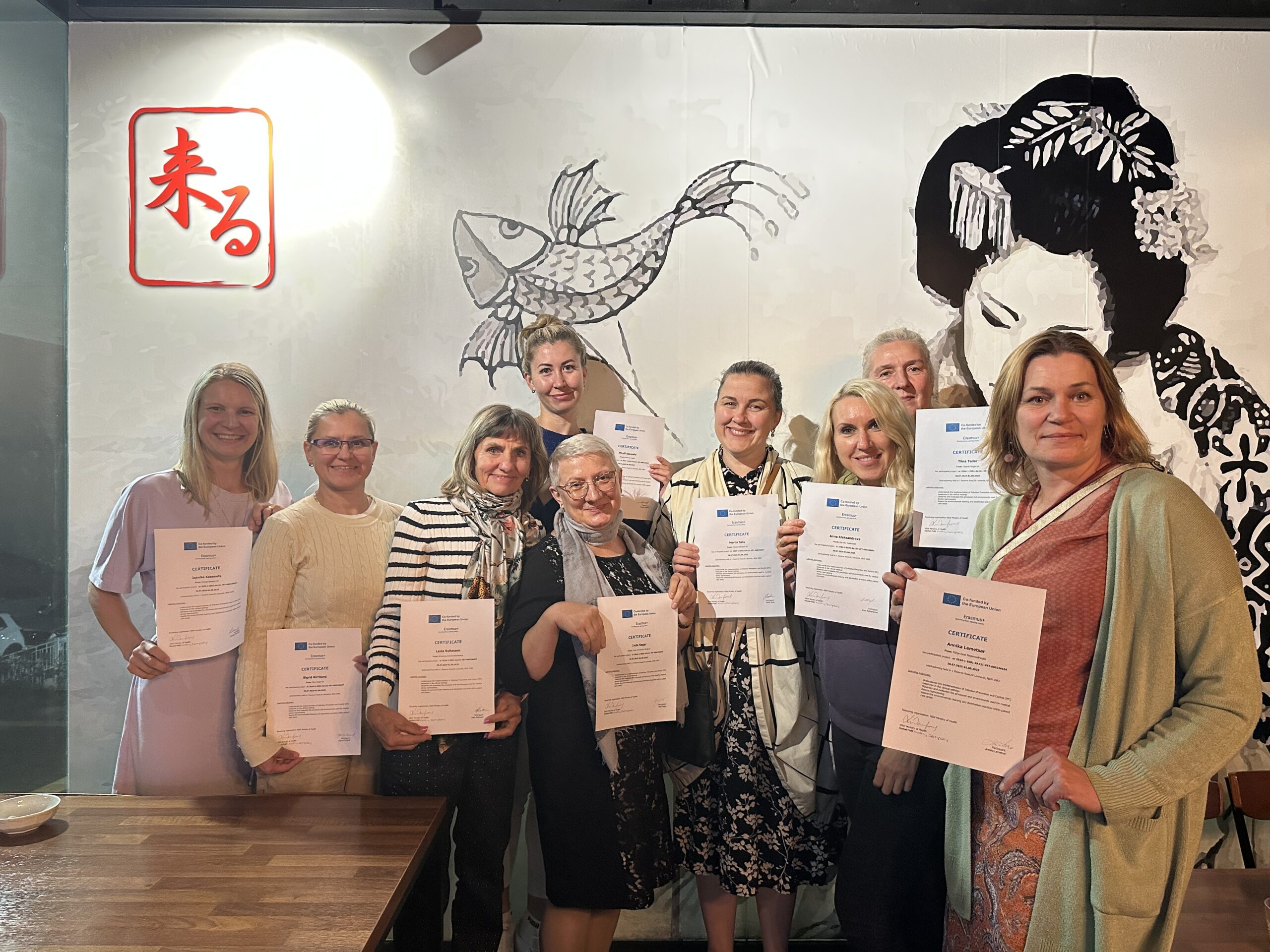
Participants in the project included Ida-Viru Central Hospital, Elva Hospital Ltd., Raplamaa Hospital, North Estonian Medical Centre, Tartu Health Care College, Järvamaa Vocational Education Centre, SOL Baltics OÜ, and Viljandi Hospital. The study trip was supported by Erasmus+ consortium learning mobility project no. 2024-1-EE01-KA121-VET-000236654.
The study trip took place from 30 July to 1 August 2025, during which Estonian healthcare and cleaning sector specialists participated as job shadows in various healthcare institutions in the Sydney region of New South Wales, Australia. The main objective of the learning mobility project was to understand the organisation of cleaning and infection control within the Australian healthcare system, to become familiar with the applicable standards and quality assessment methods, and to observe how cleaning services are integrated into ensuring patient safety.
Participants in the project included Ida-Viru Central Hospital, Elva Hospital Ltd., Raplamaa Hospital, North Estonian Medical Centre, Tartu Health Care College, Järvamaa Vocational Education Centre, SOL Baltics OÜ, and Viljandi Hospital. The study trip was supported by Erasmus+ consortium learning mobility project no. 2024-1-EE01-KA121-VET-000236654.
The study trip took place from 30 July to 1 August 2025, during which Estonian healthcare and cleaning sector specialists participated as job shadows in various healthcare institutions in the Sydney region of New South Wales, Australia. The main objective of the learning mobility project was to understand the organisation of cleaning and infection control within the Australian healthcare system, to become familiar with the applicable standards and quality assessment methods, and to observe how cleaning services are integrated into ensuring patient safety.

New South Wales State Healthcare System
On the first day of the study trip, we gained a comprehensive overview of how environmental services and infection control principles are structured within the New South Wales state healthcare system. It was particularly interesting to learn about the unified support structure called HealthShare NSW that operates across the entire state, responsible for organising various services including cleaning and laundry. This centralised approach allows for better management of work processes, standardisation of quality, and strengthening cooperation between clinical teams and support services.
In New South Wales, public healthcare institutions utilise an evidence-based guideline called Environmental Cleaning Standard Operating Procedure (ECSOP), which is a crucial part of infection prevention and ensuring a safe healthcare environment. Effective organisation of environmental services helps reduce hospital-acquired infections and supports high-quality medical care and staff safety. The guideline consists of eight modules that provide a framework for planning, executing, evaluating, and developing cleaning operations.
In New South Wales, public healthcare institutions utilise an evidence-based guideline called Environmental Cleaning Standard Operating Procedure (ECSOP), which is a crucial part of infection prevention and ensuring a safe healthcare environment. Effective organisation of environmental services helps reduce hospital-acquired infections and supports high-quality medical care and staff safety. The guideline consists of eight modules that provide a framework for planning, executing, evaluating, and developing cleaning operations.

The NSW Clinical Excellence Commission recommends that all public healthcare institutions follow these guidelines to ensure patient safety and staff protection at every stage of the cleaning process. During our study trip, we had the opportunity to experience how these standards are implemented in daily work in various healthcare institutions and what the results are.
Royal North Shore Hospital (RNSH)
On the second day of the study trip, we had the opportunity to job shadow at Royal North Shore Hospital (RNSH), which serves nearly 1.3 million people in North Sydney and its surroundings. It is one of the largest and most important hospitals in the region, where significant attention is paid to infection safety and quality management. During the job shadowing, we closely observed the work of the infection control team, familiarised ourselves with the medical equipment sterilisation department, and saw how cleaning services are integrated into the hospital’s daily operations. All work processes were based on a clear system, and each activity had a defined aim. It was particularly inspiring to see the so-called Performance Board publicly displayed in each department – a visual notice board summarising audit results according to Australian NSQHS standards. If deficiencies were identified in any area, a specific action plan and the name of the responsible person were clearly stated. This transparent and inclusive approach creates a shared understanding of objectives and motivates teams to actively improve quality. This example stood out to us as a good practice that we could also implement in Estonia.


Westmead Hospital
Job shadowing at Westmead Hospital offered us a unique opportunity to closely observe Australia’s top-tier specialised infectious disease unit, the NSW Biocontainment Centre. This is a national preparedness center established for the effective management of high-risk infectious diseases. The unit’s staff have received specialised training to operate according to defined protocols in critical situations where maximum safety is required for both patients and personnel. We were particularly impressed by the center’s use of closed systems and the special design of its rooms and equipment, which helps minimise contamination. We observed that the work was organised in a way that ensured absolute control over sources of infection, and every activity had a designated place, time, and responsible person. This job shadowing left a strong impression on us thanks to the staff‘s professionalism, systematic approach, and teamwork.


Royal Prince Alfred Hospital (RPA)
On the third day of the study trip, we job shadowed at Royal Prince Alfred Hospital (RPA), the largest and most prestigious hospital in the Sydney Local Health District, with approximately 1,200 beds, serving the entire SLHD population of one million. The hospital is renowned for its affiliation with the University of Sydney, serving as a central teaching and research hub. We job shadowed in daily support services, the medical equipment sterilisation department, and the intensive care unit, where we focused on infection control procedures and cleaning practices. Part of the day was dedicated to observing the cleaning of a patient ward with a heightened infection risk, where we closely watched the cleaning stages and techniques.

Acknowledgements!
We are sincerely grateful to the team of the NSW Clinical Excellence Commission (CEC) for the warm welcome, inspiring programme, and professionally organised job shadowing days. It was a true privilege for us to see and experience how cleaning services and infection control are integrated as an inseparable part of patient safety and quality care within the Australian healthcare system on the other side of the world. We gained many valuable insights, practical experiences, and new ideas that we wish to further develop in the Estonian healthcare and cleaning sectors. This study trip will remain in our memory as an inspiring and horizon-broadening journey, both professionally and personally.
Author: Jaanika Kasemets