info@puhastusekspert.ee +372 5611 1048
Cleaning Ergonomics: How to Clean More Efficiently While Protecting Your Body
Cleaning ergonomics is a topic that is actually discussed far too little in the cleaning industry. At the same time, it directly affects how difficult or easy a person’s daily work feels. When people think about cleaning, many imagine something similar: a long day, a lot of movement, bending over, working with a mop, and by the end of the day a tired back or tense shoulders. It is often assumed that this is simply a natural part of cleaning work – that if you clean a lot, your body is bound to hurt.
But it doesn’t have to be that way.
It was exactly this thought that gradually led to the idea of creating the Cleaning Ergonomics e-training. Our goal is to show that cleaning can be efficient, professional, and at the same time much kinder to your body.
But it doesn’t have to be that way.
It was exactly this thought that gradually led to the idea of creating the Cleaning Ergonomics e-training. Our goal is to show that cleaning can be efficient, professional, and at the same time much kinder to your body.
Where did this idea start?
The idea for the Cleaning Ergonomics e-training gained strong momentum from the international Erasmus+ project “Cleaning Ergonomics”, which took place between 2021 and 2024. In addition to Estonia, the project also involved the Netherlands, Finland, and Hungary.
The aim of the project was to study and raise awareness about the most common workplace accidents and occupational diseases in the cleaning sector, and to better understand why they occur. Although there have been some studies on occupational diseases, there are relatively few of them. One reason is that occupational diseases often develop over a long period of time, and it is difficult to determine exactly when, where, and due to which work practices the job begins to place excessive physical strain on the body. Cleaning is physically demanding work, and if the working methods are not correct, it can lead to a wide range of health problems over time.
During the project, various learning materials were created for both cleaning professionals and their supervisors. One important part of the project was a set of educational videos focusing on 20 different cleaning activities. These are tasks that can potentially cause physical or mental strain, workplace accidents, or even occupational diseases.
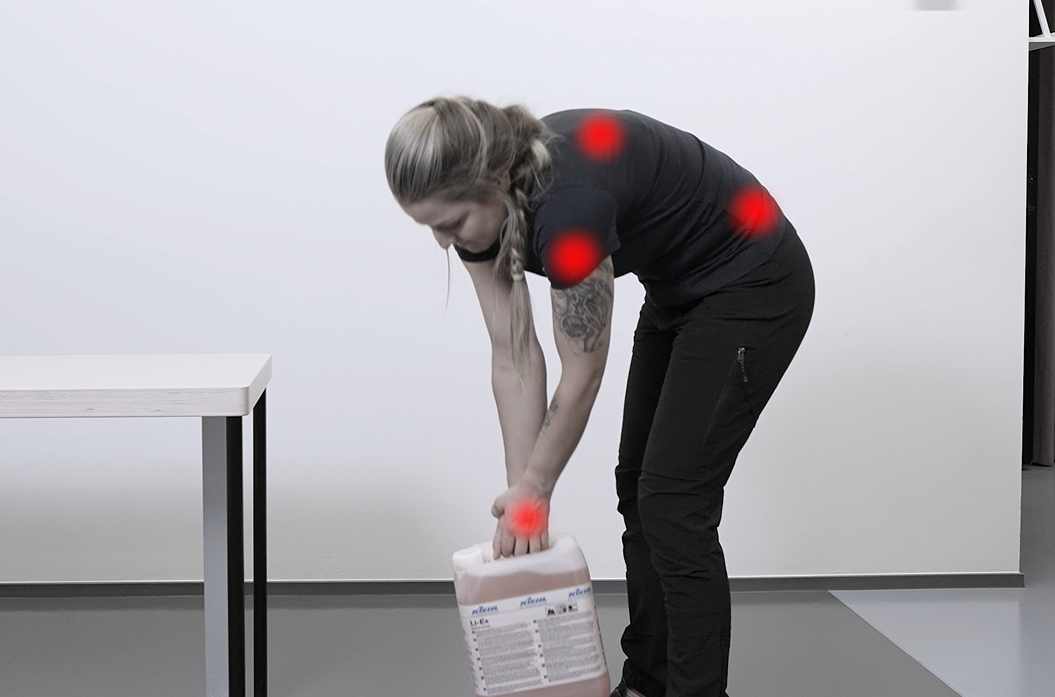
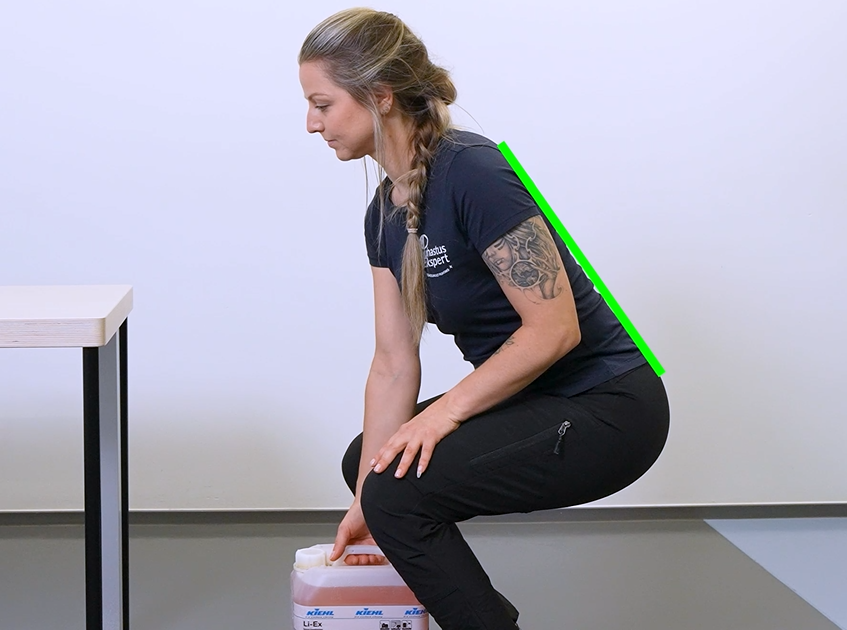
In the short videos created during the project, the difference between two approaches is clearly visible. Black-and-white images with a red cross show work methods that may put strain on the body. Red dots on the body highlight areas where tension or stress may occur. In contrast, color images with a green check mark demonstrate better and more ergonomic ways of performing the same tasks.
When watching these videos, one thing becomes clear quite quickly: many of these problems can actually be prevented by making small changes to the way we work.
The aim of the project was to study and raise awareness about the most common workplace accidents and occupational diseases in the cleaning sector, and to better understand why they occur. Although there have been some studies on occupational diseases, there are relatively few of them. One reason is that occupational diseases often develop over a long period of time, and it is difficult to determine exactly when, where, and due to which work practices the job begins to place excessive physical strain on the body. Cleaning is physically demanding work, and if the working methods are not correct, it can lead to a wide range of health problems over time.
During the project, various learning materials were created for both cleaning professionals and their supervisors. One important part of the project was a set of educational videos focusing on 20 different cleaning activities. These are tasks that can potentially cause physical or mental strain, workplace accidents, or even occupational diseases.
In the short videos created during the project, the difference between two approaches is clearly visible. Black-and-white images with a red cross show work methods that may put strain on the body. Red dots on the body highlight areas where tension or stress may occur. In contrast, color images with a green check mark demonstrate better and more ergonomic ways of performing the same tasks.
When watching these videos, one thing becomes clear quite quickly: many of these problems can actually be prevented by making small changes to the way we work.
What are the real benefits of this training?
One of the most common reactions after ergonomics trainings is quite simple: people say they had never really thought about it before. This training will most likely open your eyes to cleaning ergonomics as well.
For example, you will learn:
For example, you will learn:
These may seem like small details, but when these movements are repeated every day, sometimes hundreds of times, their impact on the body can be significant.
The Cleaning Ergonomics e-training helps you:
In other words, it helps you get the same work done, but in a more mindful and sustainable way.
A Training That Helps You Reflect on Your Work Habits
The total length of the training is about 3 hours and 5 minutes. It is not just about watching videos. It is an opportunity to pause for a moment and reflect on your own work habits.
After each chapter, you can evaluate how you actually work and think about what changes you might want to try. You can also write down specific steps that you would like to change in your daily work. These answers remain private and are only for you. By the end of the training, you can use them to make a conscious decision about which changes you want to start applying in your real work.
We believe that training is truly valuable only when a person is willing to try at least one small change. In the short videos created during the project, the difference between two approaches is very clearly visible. Black-and-white images with a red cross show work methods that may strain the body. Red dots on the body highlight areas where tension may occur. In contrast, color images with a green check mark demonstrate better and more ergonomic ways of performing the same tasks.
When watching these videos, one thing becomes clear quite quickly: many problems can actually be prevented by making small changes to the way we work. During the e-training, you will also see these learning videos, where the traineg Helge Alt explains what is happening in the videos and shares additional knowledge on how to apply the theory more easily in practice.
After each chapter, you can evaluate how you actually work and think about what changes you might want to try. You can also write down specific steps that you would like to change in your daily work. These answers remain private and are only for you. By the end of the training, you can use them to make a conscious decision about which changes you want to start applying in your real work.
We believe that training is truly valuable only when a person is willing to try at least one small change. In the short videos created during the project, the difference between two approaches is very clearly visible. Black-and-white images with a red cross show work methods that may strain the body. Red dots on the body highlight areas where tension may occur. In contrast, color images with a green check mark demonstrate better and more ergonomic ways of performing the same tasks.
When watching these videos, one thing becomes clear quite quickly: many problems can actually be prevented by making small changes to the way we work. During the e-training, you will also see these learning videos, where the traineg Helge Alt explains what is happening in the videos and shares additional knowledge on how to apply the theory more easily in practice.
Cleaning Can Be Much Easier
The Cleaning Ergonomics e-training is not just theory. It is based on Puhastusekspert’s practical training experience, international cooperation, and real-life examples from cleaning work.
Our goal with this training is quite simple: to help people do their work in a way that is both efficient and health-friendly. In reality, cleaning does not have to mean ending the day with a sore back or tired hands. Sometimes all it takes is someone showing how to do the same work a little smarter.
Author: Maria Liis Alt
Our goal with this training is quite simple: to help people do their work in a way that is both efficient and health-friendly. In reality, cleaning does not have to mean ending the day with a sore back or tired hands. Sometimes all it takes is someone showing how to do the same work a little smarter.
Author: Maria Liis Alt