info@puhastusekspert.ee +372 5611 1048
Learning Mobility to USA 10.11 – 18.11.2025 part 1
From November 10 to 18, Estonian cleaning service specialists participated in job shadowing in the United States. The study visit took place within the Erasmus+ program and provided participants with valuable theoretical and practical training on cleaning, training methods, and environmental sustainability.
Since the mobility involved managers, teachers, and trainers engaged in education, the experience gained will directly impact the quality of vocational education and continuing training in Estonia.
The following organizations participated in the mobility: Tartu Vocational College, Sol Baltics OÜ, Krausberg, and Ida-Viru Vocational Education Centre. The learning mobility took place within the framework of the Erasmus+ program under contract number 2024-1-EE01-KA121-VET-000236654.
Since the mobility involved managers, teachers, and trainers engaged in education, the experience gained will directly impact the quality of vocational education and continuing training in Estonia.
The following organizations participated in the mobility: Tartu Vocational College, Sol Baltics OÜ, Krausberg, and Ida-Viru Vocational Education Centre. The learning mobility took place within the framework of the Erasmus+ program under contract number 2024-1-EE01-KA121-VET-000236654.

Indoor Air Quality and its Impact on Health
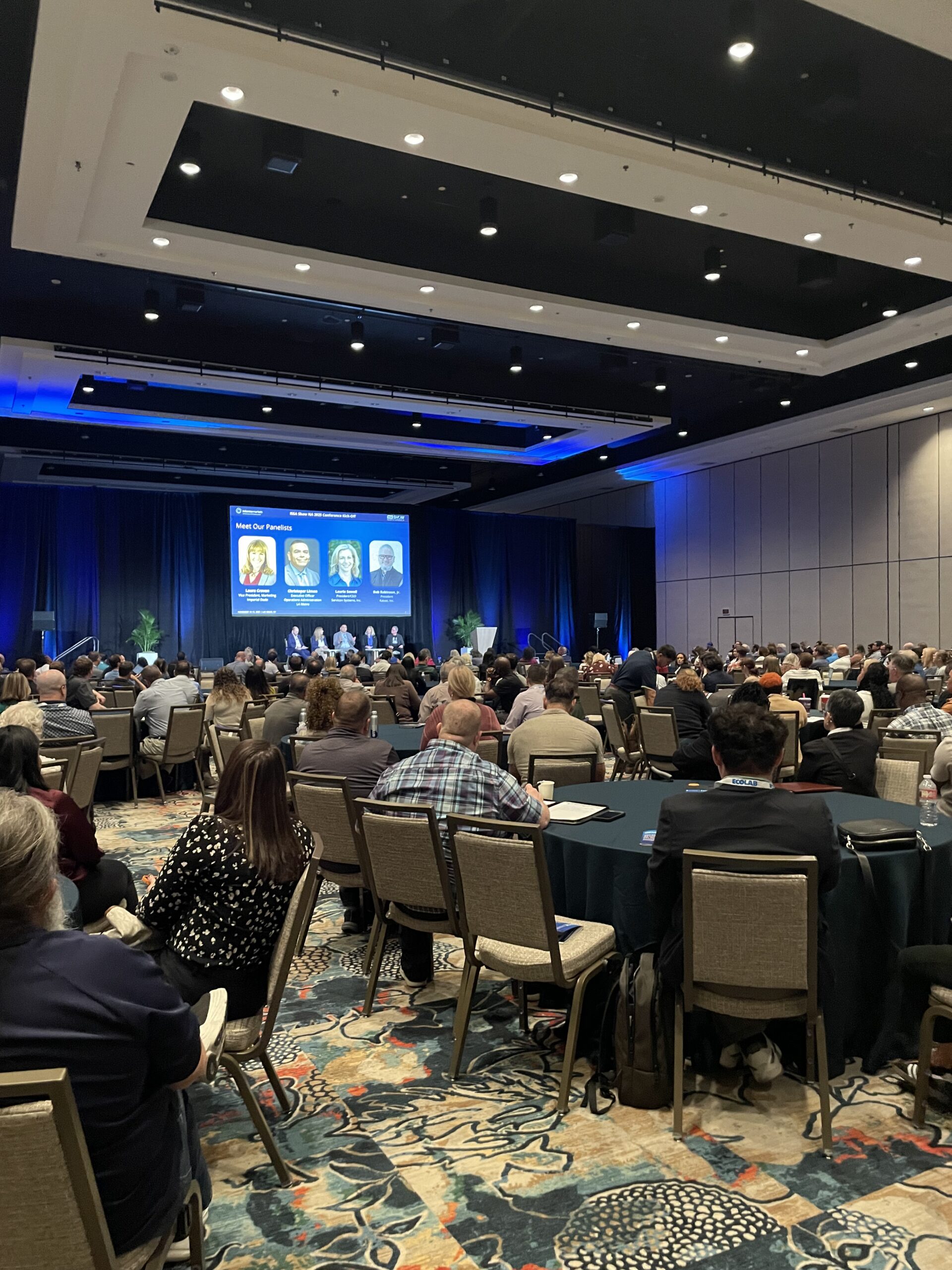
ISSA seminaril 2025. aastal Las Vegases oli meil võimalus täiendada oma teadmisi puhastusteenuste ja tööohutuse valdkonna juhtivatelt ekspertidelt. Üheks oluliseks fookusteemaks oli siseõhu kvaliteet ja selle mõju inimeste tervisele. Ettekande The ROI of Clean Air pidas Dinesh Wadhwani ettevõttest ThinkLite Air, mis pakub mitme astmelise filtratsiooniga õhupuhastussüsteeme, kombineerides HEPA- ja aktiivsöefiltreid ventilatsiooni ja õhuringlusega.
Siseruumide õhku mõjutavad mitmed tegurid, sealhulgas TVOC-d (total volatile organic compounds), koristusprotsessidest tekkivad osakesed ning viiruste ja bakterite aerosoolid. Näitena tõi Wadhwani välja, et siseõhu kvaliteet võib olla kõige halvem umbes kolm tundi pärast koristamist, mil õhus leidub nii puhastuskeemiast pärinevaid ühendeid kui ka koristamise käigus liikvele paiskunud tolmu.
Siseõhu kvaliteeti aitab parandada filtreerimine, mille tõhusus sõltub nii filtri tüübist kui ka süsteemi ehitusest. Mida tihedam on filter, seda rohkem energiat kulub õhu liigutamiseks läbi filtri – seetõttu peab alati leidma tasakaalu energiakulu ja filtratsiooni efektiivsuse vahel.
HEPA (High Efficiency Particulate Air) filters are designed to remove fine particles, allergens, molds, and various microorganisms. Although the official standard for HEPA filters is to capture particles from 0.3 microns, due to physical processes, they can also capture some smaller particles. However, this does not mean that HEPA filters can completely rid a room of viruses, but they can significantly reduce the amount of particles in the air and support a safer working environment.
The seminar also highlighted factors influencing the development of infection risk – viral infection depends not only on concentration but also on exposure time.
Siseruumide õhku mõjutavad mitmed tegurid, sealhulgas TVOC-d (total volatile organic compounds), koristusprotsessidest tekkivad osakesed ning viiruste ja bakterite aerosoolid. Näitena tõi Wadhwani välja, et siseõhu kvaliteet võib olla kõige halvem umbes kolm tundi pärast koristamist, mil õhus leidub nii puhastuskeemiast pärinevaid ühendeid kui ka koristamise käigus liikvele paiskunud tolmu.
Siseõhu kvaliteeti aitab parandada filtreerimine, mille tõhusus sõltub nii filtri tüübist kui ka süsteemi ehitusest. Mida tihedam on filter, seda rohkem energiat kulub õhu liigutamiseks läbi filtri – seetõttu peab alati leidma tasakaalu energiakulu ja filtratsiooni efektiivsuse vahel.
HEPA (High Efficiency Particulate Air) filters are designed to remove fine particles, allergens, molds, and various microorganisms. Although the official standard for HEPA filters is to capture particles from 0.3 microns, due to physical processes, they can also capture some smaller particles. However, this does not mean that HEPA filters can completely rid a room of viruses, but they can significantly reduce the amount of particles in the air and support a safer working environment.
The seminar also highlighted factors influencing the development of infection risk – viral infection depends not only on concentration but also on exposure time.
AI-Powered Cleaning
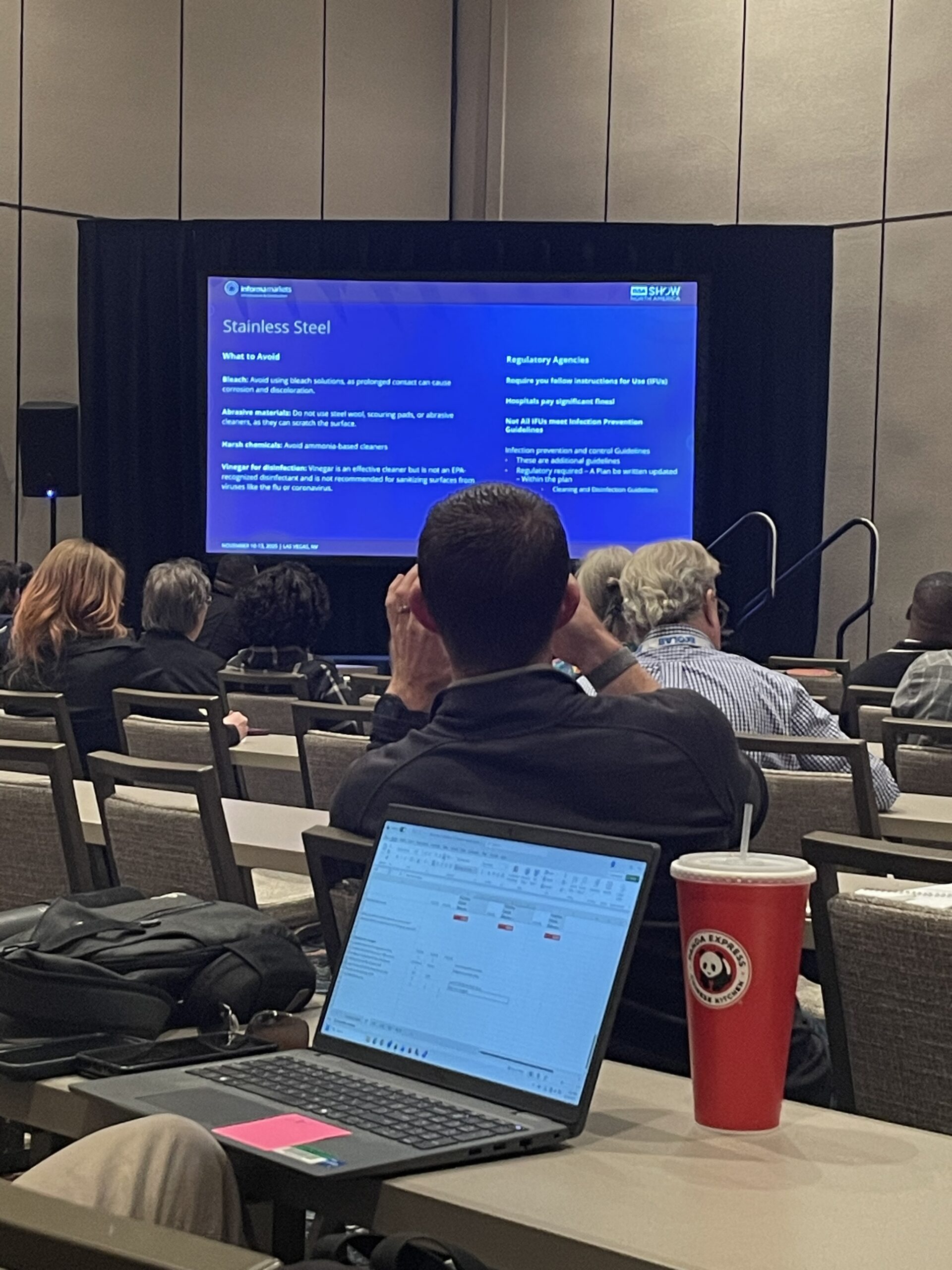
The seminar also featured artificial intelligence applications, which are rapidly becoming an integral part of daily operations in the cleaning services sector. Jim Flieler introduced Optisolve‘s solution, HeyWalter, designed to support both cleaning staff and companies in achieving high-quality and standardized work processes.
The application operates in over 140 languages and provides clear and understandable instructions to employees. HeyWalter does not gather information from the internet but utilizes a knowledge base specifically compiled for cleaning services. The application presents step-by-step instructions via text, images, and videos, and enables precise comparisons of work time and methods.
One of the software’s most well-conceived functionalities is the 360° room imaging-based methodology SEE → MAP → CLEAN™, which relies on spatial data analysis and helps plan work more precisely and ensure consistent quality.
The application operates in over 140 languages and provides clear and understandable instructions to employees. HeyWalter does not gather information from the internet but utilizes a knowledge base specifically compiled for cleaning services. The application presents step-by-step instructions via text, images, and videos, and enables precise comparisons of work time and methods.
One of the software’s most well-conceived functionalities is the 360° room imaging-based methodology SEE → MAP → CLEAN™, which relies on spatial data analysis and helps plan work more precisely and ensure consistent quality.
Housekeeping Olympics
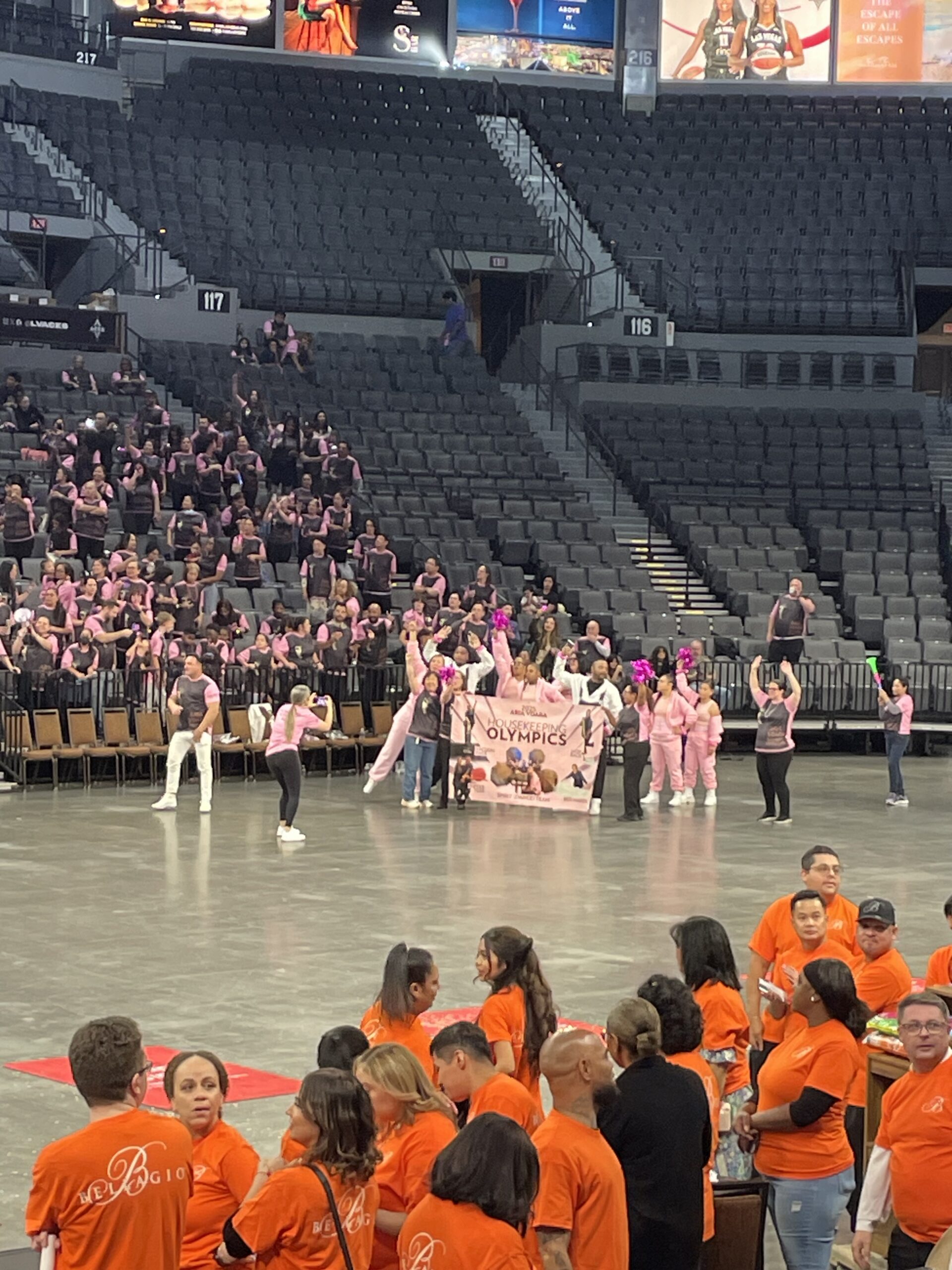
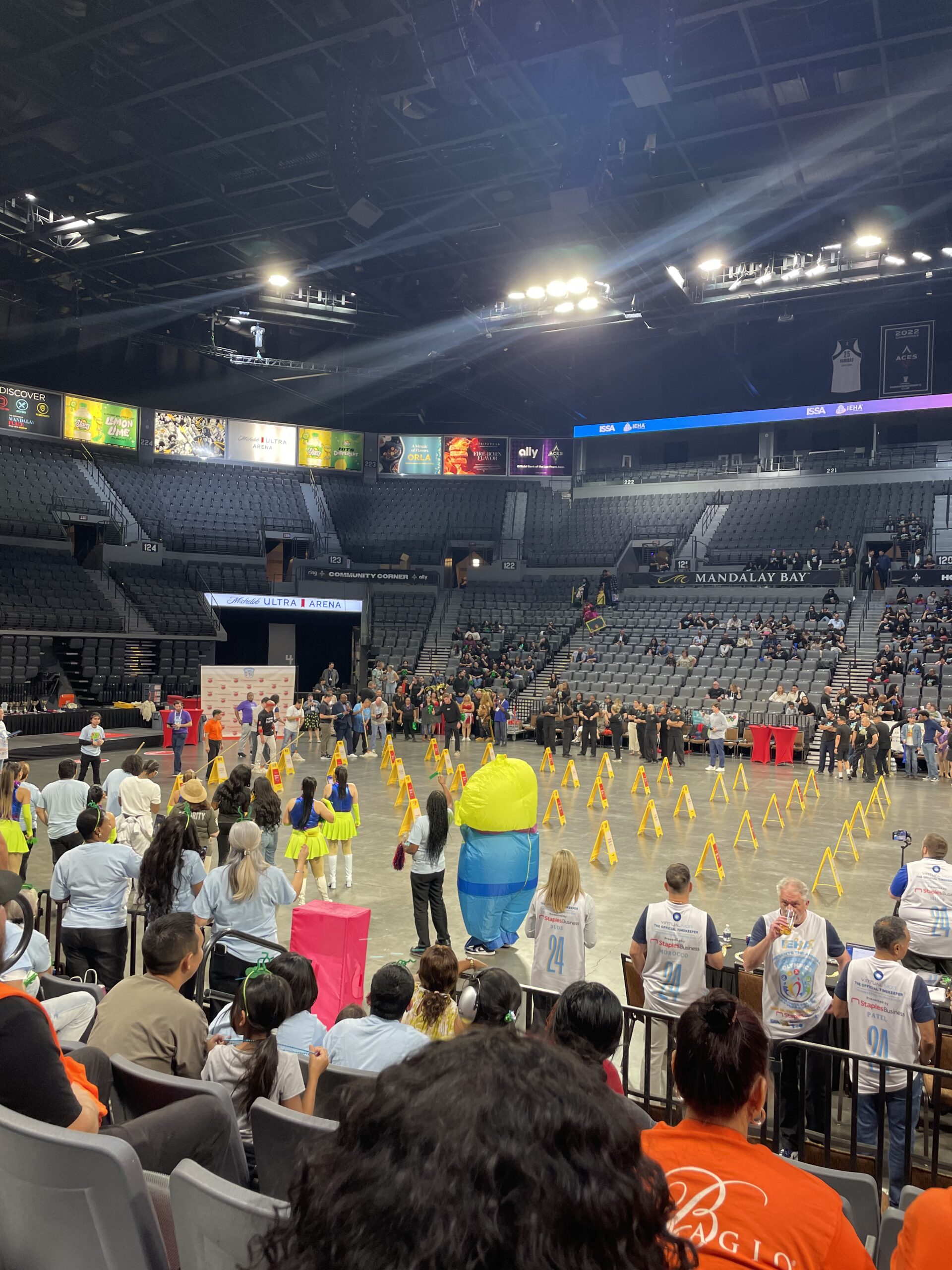
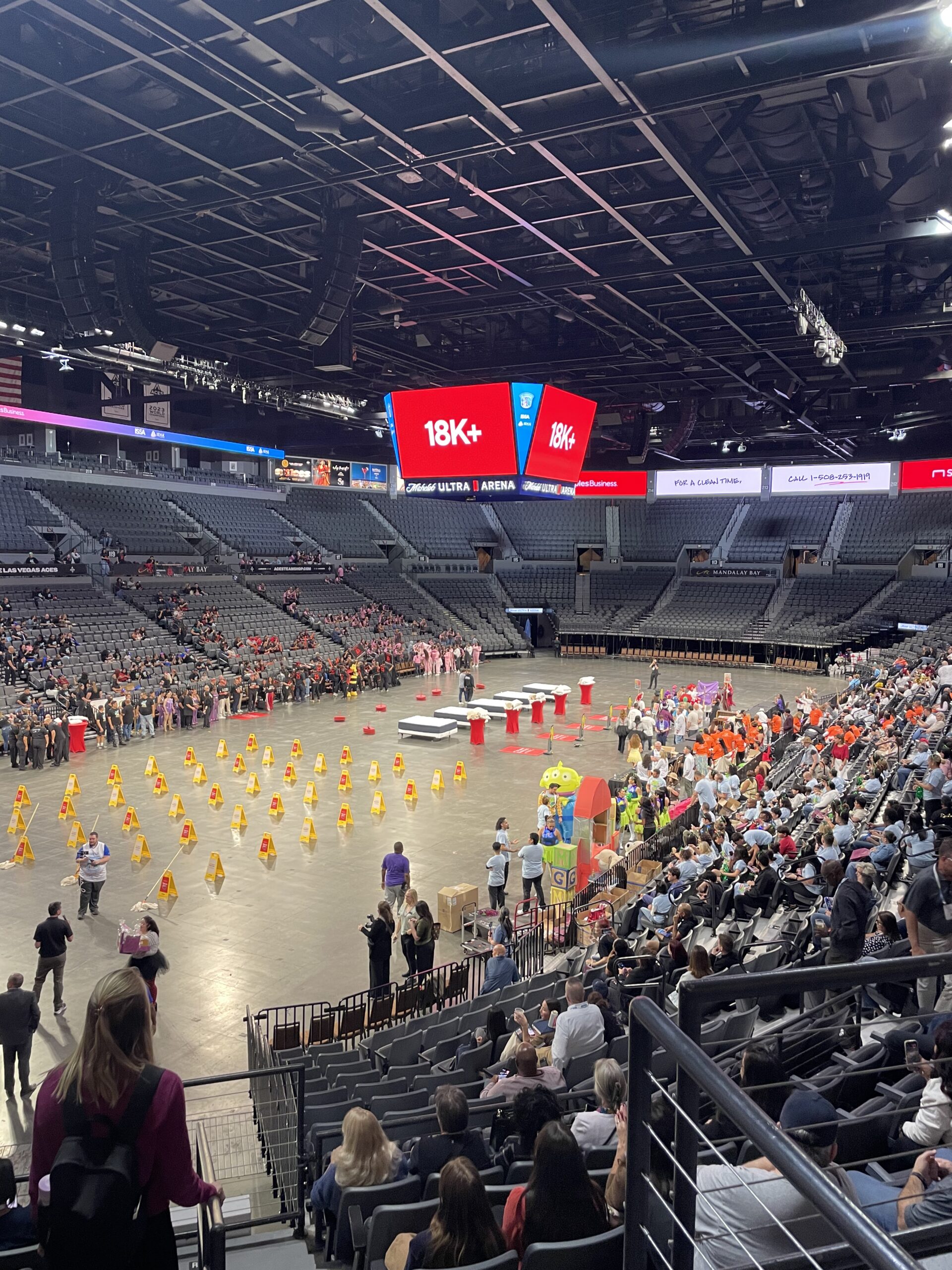
At the ISSA North America Cleaning Show, the Housekeeping Olympics took place – a fun and engaging competition that highlighted the skills of cleaning professionals and the true value of their work. The aim was to emphasize the role of cleaning staff in creating safe and health-supporting environments and to demonstrate that this profession requires precision, speed, and good teamwork.
The competition held in Las Vegas was energetic and inspiring, offering spectators both entertainment and new perspectives on the professionalism of cleaning work. Work techniques and skills that often go unnoticed in daily routines but directly determine the quality of work were brought to the forefront.
Such initiatives help to create a more positive image, increase professional pride, and raise the visibility of the cleaning services sector.
The competition held in Las Vegas was energetic and inspiring, offering spectators both entertainment and new perspectives on the professionalism of cleaning work. Work techniques and skills that often go unnoticed in daily routines but directly determine the quality of work were brought to the forefront.
Such initiatives help to create a more positive image, increase professional pride, and raise the visibility of the cleaning services sector.
Global Cleaning Challenges
During the seminar, we participated in Table Talks discussions within the cleaning sector and led a roundtable focused on training in cleaning services. It became clear that the challenges in the sector are similar worldwide – how to motivate employees, elevate the value of the profession, and engage the younger generation.
Instructors play a crucial role, as their task is not only to impart knowledge but also to provide supportive and constructive feedback. Discussions also covered how to measure the actual impact of training and what metrics would help objectively assess development.
Inspiring ideas were also shared, such as the “52 Cards” methodology, where a specific focus or goal is set for each week to support continuous development throughout the year.
Instructors play a crucial role, as their task is not only to impart knowledge but also to provide supportive and constructive feedback. Discussions also covered how to measure the actual impact of training and what metrics would help objectively assess development.
Inspiring ideas were also shared, such as the “52 Cards” methodology, where a specific focus or goal is set for each week to support continuous development throughout the year.
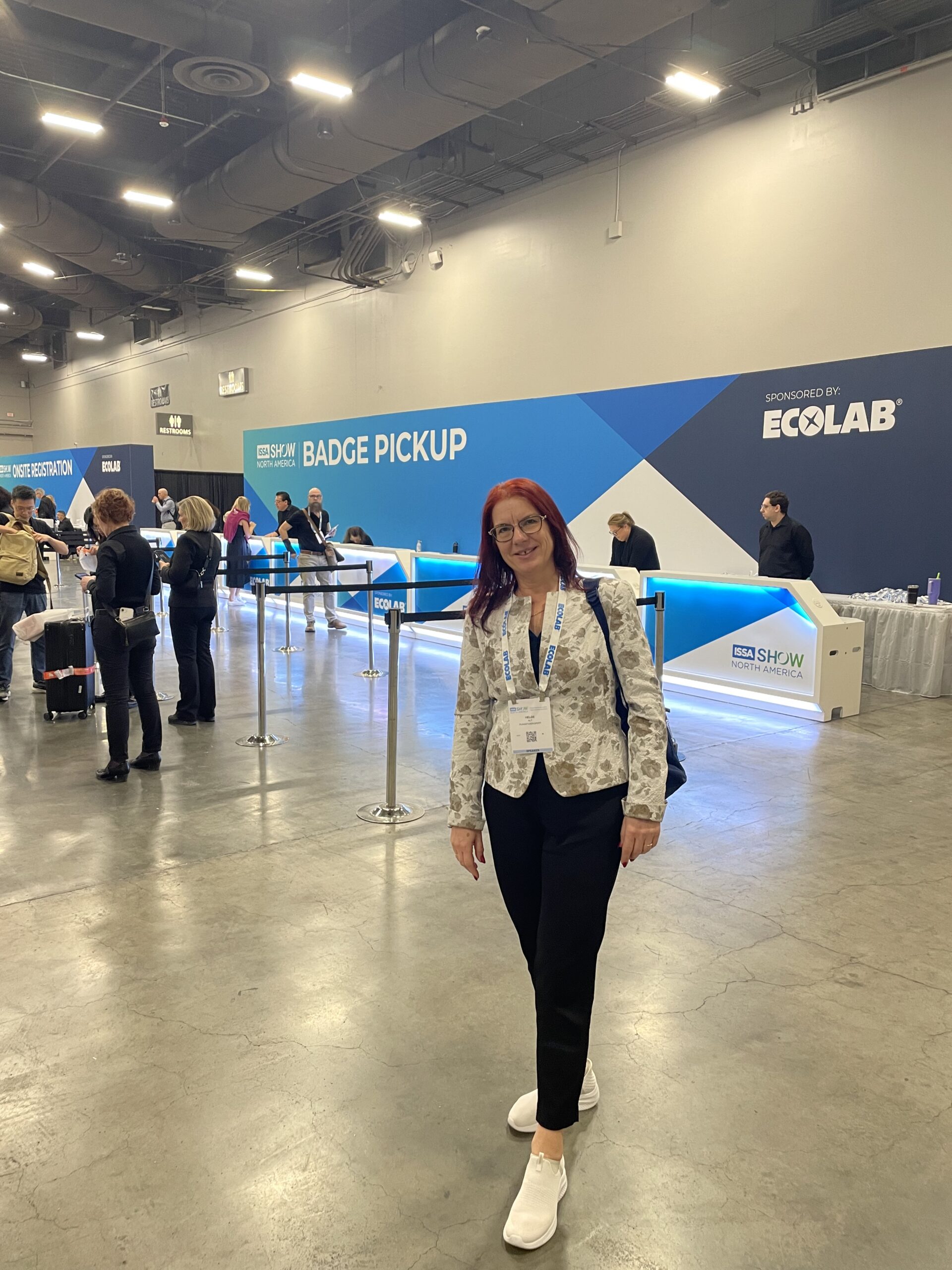
Helge’s Presentation at the ISSA Cleaning Show in Las Vegas
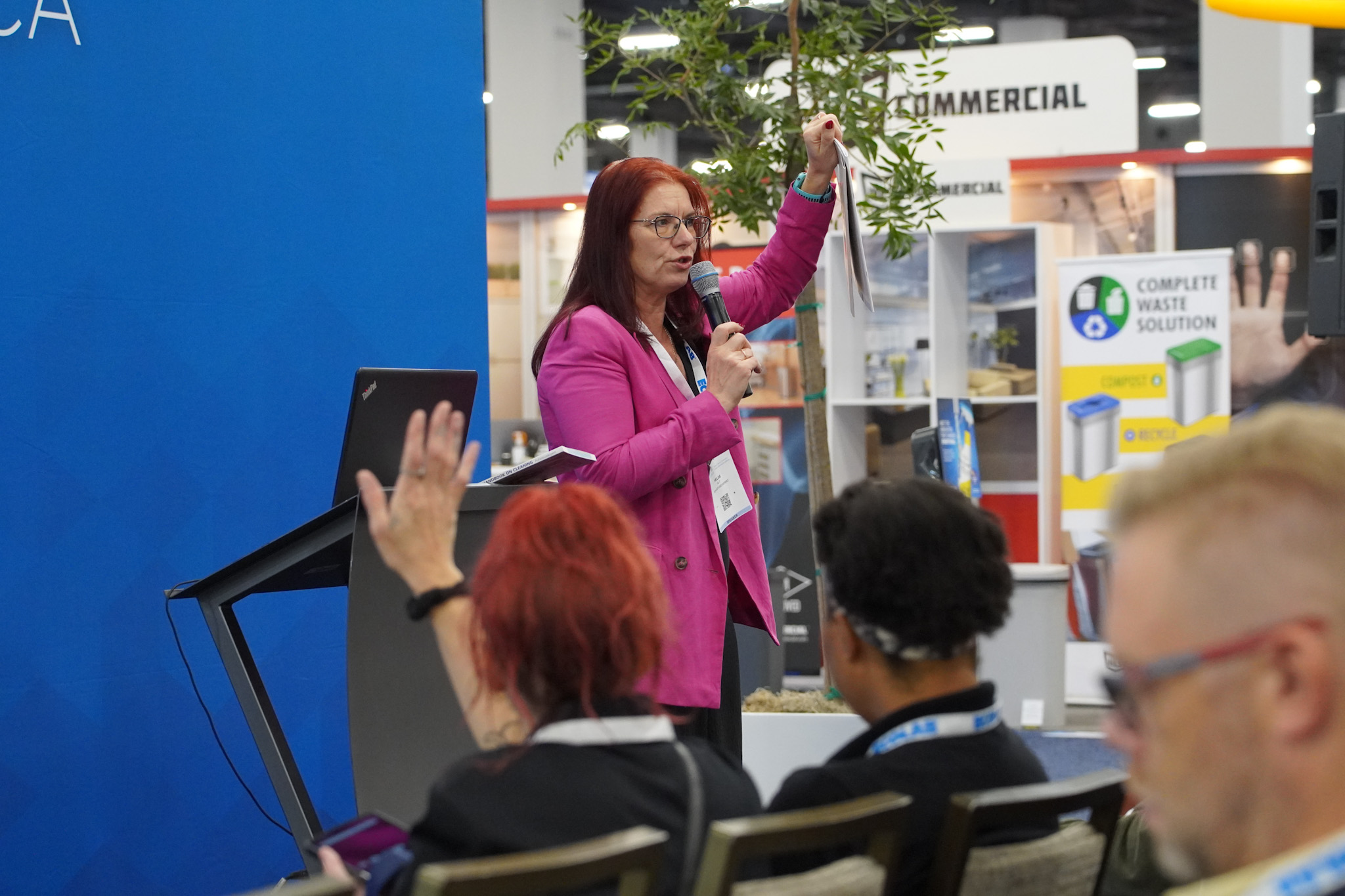
Additionally, Helge Aelt delivered a lecture at the ISSA – The Association for Cleaning & Facility Solutions North America Cleaning Show. The topic of the presentation was “How to Prevent Health Damages in Cleaning?” (“How to prevent health damages in cleaning services?”), focusing on how to prevent health damages in cleaning services.
The lecture garnered significant interest, the hall was full, and the topic resonated with many specialists in the field. The presentation emphasized that conscious and well-considered cleaning is not merely a matter of quality, but directly a question of protecting health and lives. Statistics show that cleaning professionals fall ill on average twice as often as representatives of other professions.
Additionally, Helge highlighted an interesting contrast: while home cleaning often acts as therapy, supporting both mental and physical health, cleaning as a profession becomes a health risk. The issue is not the activity itself, but the conditions, work organization, chemicals, time pressure, and knowledge. This is precisely where the opportunity for change lies: through cooperation, raising awareness, and implementing better solutions, cleaning services can be made safer and more health-supportive.
Author: Maria Liis Alt
The lecture garnered significant interest, the hall was full, and the topic resonated with many specialists in the field. The presentation emphasized that conscious and well-considered cleaning is not merely a matter of quality, but directly a question of protecting health and lives. Statistics show that cleaning professionals fall ill on average twice as often as representatives of other professions.
Additionally, Helge highlighted an interesting contrast: while home cleaning often acts as therapy, supporting both mental and physical health, cleaning as a profession becomes a health risk. The issue is not the activity itself, but the conditions, work organization, chemicals, time pressure, and knowledge. This is precisely where the opportunity for change lies: through cooperation, raising awareness, and implementing better solutions, cleaning services can be made safer and more health-supportive.
Author: Maria Liis Alt