
info@puhastusekspert.ee +372 5611 1048
Learning Mobility to USA 10.11 – 18.11.2025 part 2
From November 10 to 18, Estonian cleaning service specialists participated in job shadowing in the United States. The study visit took place within the Erasmus+ program and provided participants with valuable theoretical and practical training on cleaning, training methods, and environmental sustainability.
Since the mobility involved managers, teachers, and trainers engaged in education, the experience gained will directly impact the quality of vocational education and continuing training in Estonia.
The following organizations participated in the mobility: Tartu Vocational College, Sol Baltics OÜ, Krausberg, and Ida-Viru Vocational Education Centre. The learning mobility took place within the framework of the Erasmus+ program under contract number 2024-1-EE01-KA121-VET-000236654.
Since the mobility involved managers, teachers, and trainers engaged in education, the experience gained will directly impact the quality of vocational education and continuing training in Estonia.
The following organizations participated in the mobility: Tartu Vocational College, Sol Baltics OÜ, Krausberg, and Ida-Viru Vocational Education Centre. The learning mobility took place within the framework of the Erasmus+ program under contract number 2024-1-EE01-KA121-VET-000236654.
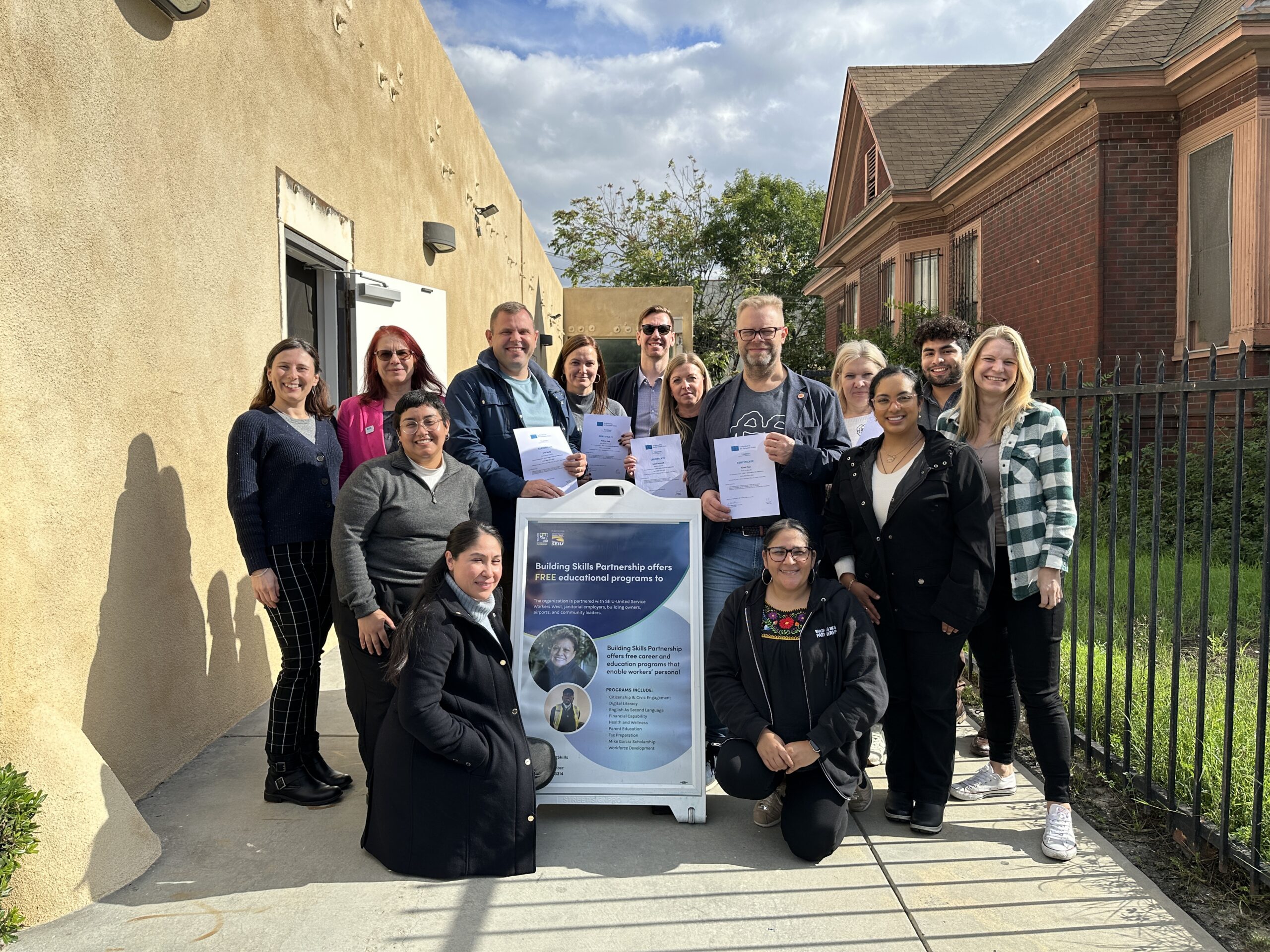
How are cleaning trainings conducted in the USA?
In Los Angeles, we were welcomed by Building Skills Partnership (BSP) – a non-profit organization that supports low-income workers, primarily cleaning service providers, by offering language training, professional development, and social support. BSP’s activities are linked to the Taft–Hartley Act and the local cleaning workers’ union SEIU-USWW.
Approximately 5,000 cleaning service providers are trained annually at BSP, with about half of them still participating in English language learning. Union membership provides access to training, legal protection, and support services.
In the California cleaning sector, challenges are often social – nearly 95% of workers are immigrants, and many lack confidence, language skills, or educational background. English language learning is often the first step in building confidence and a sense of security. Training takes place in a familiar environment during working hours, and completing the course is the first formal educational experience for many, celebrated with great pride.
Approximately 5,000 cleaning service providers are trained annually at BSP, with about half of them still participating in English language learning. Union membership provides access to training, legal protection, and support services.
In the California cleaning sector, challenges are often social – nearly 95% of workers are immigrants, and many lack confidence, language skills, or educational background. English language learning is often the first step in building confidence and a sense of security. Training takes place in a familiar environment during working hours, and completing the course is the first formal educational experience for many, celebrated with great pride.
Holistic Approach to Training
BSP trainings are based on a holistic approach – the focus is not only on cleaning techniques, but on the individual as a whole. Only when an individual’s basic needs are met can the focus shift to work quality and professional skills.
In the first few days, a terminological difference also became apparent – in America, the word janitor is used, while in Europe, it’s cleaner. Although the terms differ, the essence and responsibility of the profession remain the same.
Cleaning technical standards are not nationally uniform in the USA, but depend on the facility’s work instructions. BSP trainings emphasize that a safe and supportive learning environment must be created before teaching technical skills.
In the first few days, a terminological difference also became apparent – in America, the word janitor is used, while in Europe, it’s cleaner. Although the terms differ, the essence and responsibility of the profession remain the same.
Cleaning technical standards are not nationally uniform in the USA, but depend on the facility’s work instructions. BSP trainings emphasize that a safe and supportive learning environment must be created before teaching technical skills.
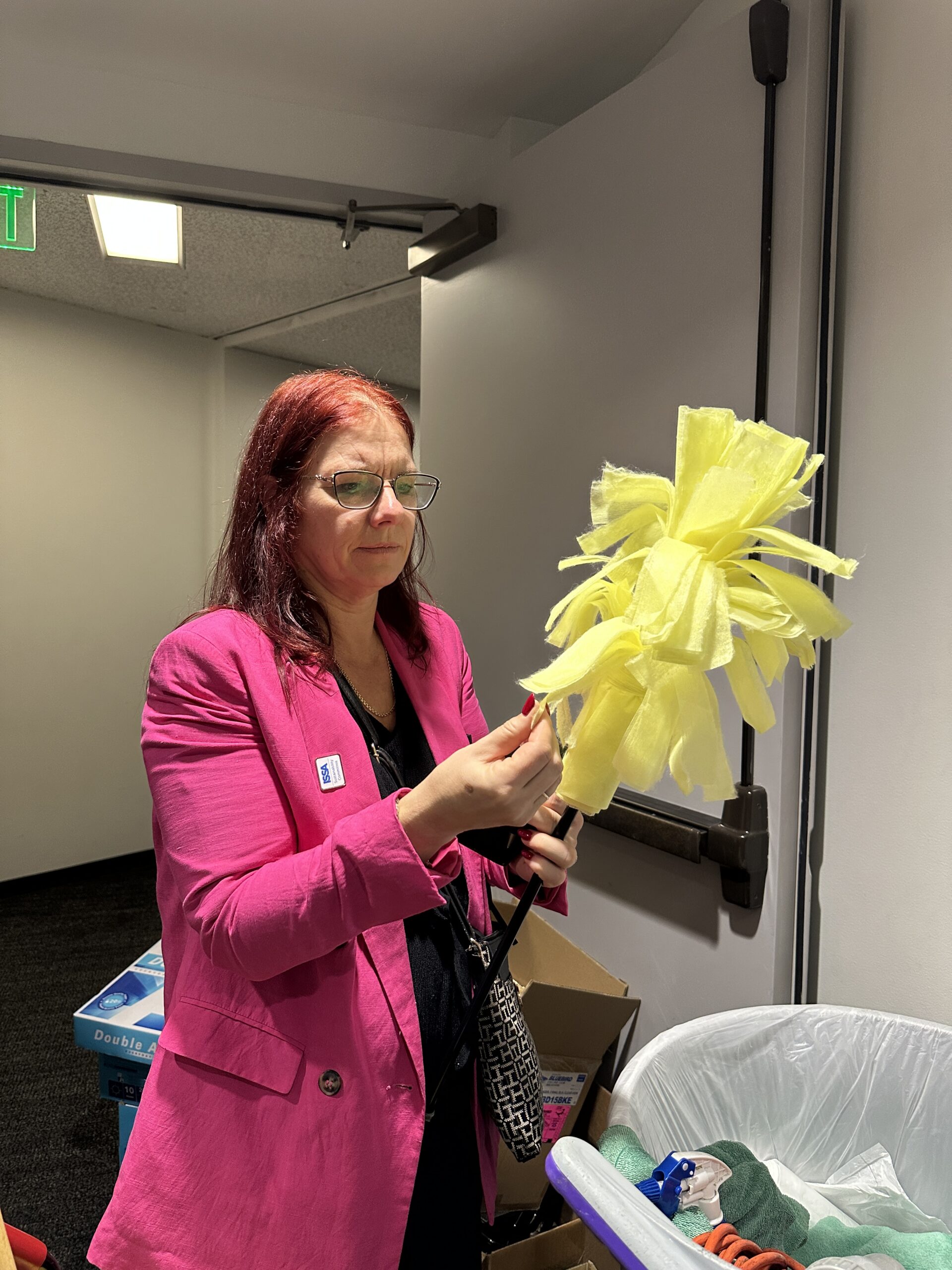
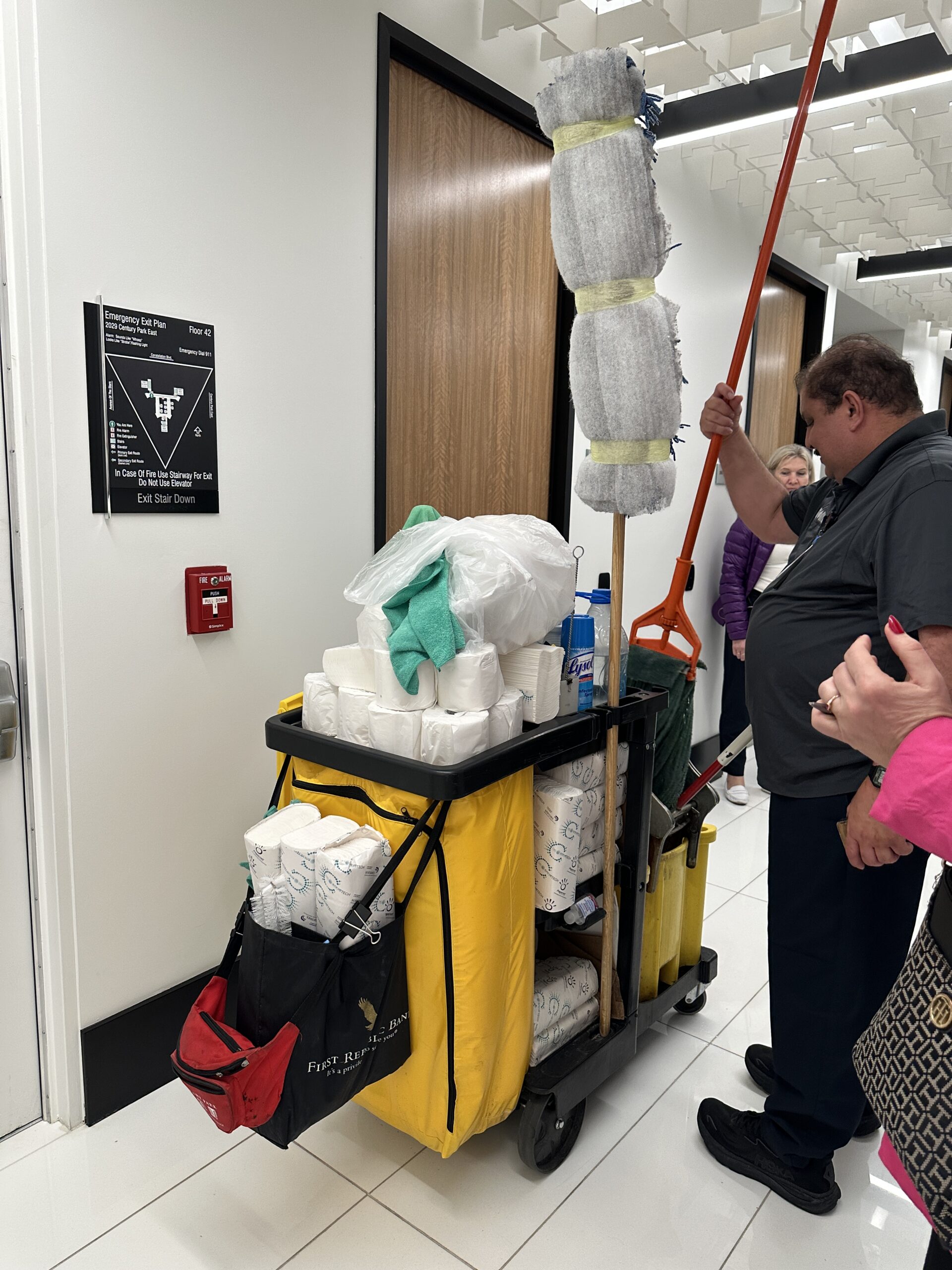
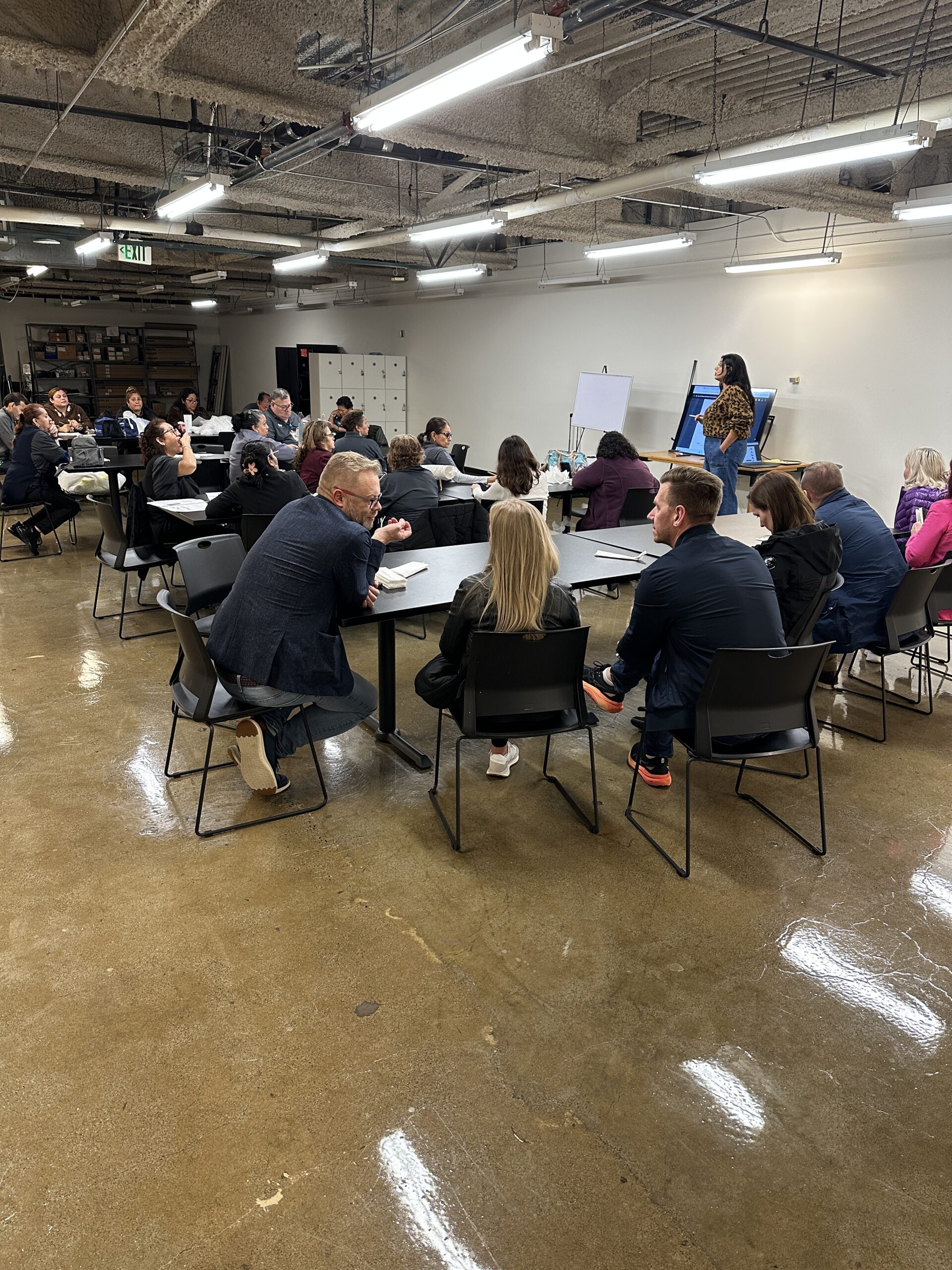
Diverse Training Programs
BSP programs meet the actual needs of the sector:
Also important is the Green Janitorial program, which supports LEED certification requirements and teaches environmentally friendly cleaning practices. The program was born out of the need to explain to employees why sustainability is important, not just which products to use.
Summary
The study visit to the USA provided valuable insight into how cleaning service training can be conducted under different cultural and systemic conditions. Building Skills Partnership (BSP) training programs demonstrate that effective learning requires a holistic approach – focusing on an individual’s well-being, sense of security, and fulfillment of basic needs.
Various programs – from developing occupational safety and digital skills to leadership skills and environmentally friendly cleaning training – support employee development and professional pride. It was also acknowledged that a carefully planned and supportive learning environment is a prerequisite for technical skills and high-quality work to emerge.
The study visit inspires us to view the cleaning service industry as a professional, valuable, and continuously developing field, where people’s development and well-being are as important as the quality of work.
Author: Maria Liis Alt
Various programs – from developing occupational safety and digital skills to leadership skills and environmentally friendly cleaning training – support employee development and professional pride. It was also acknowledged that a carefully planned and supportive learning environment is a prerequisite for technical skills and high-quality work to emerge.
The study visit inspires us to view the cleaning service industry as a professional, valuable, and continuously developing field, where people’s development and well-being are as important as the quality of work.
Author: Maria Liis Alt