Learning Mobility to Germany 25-28 August 2025
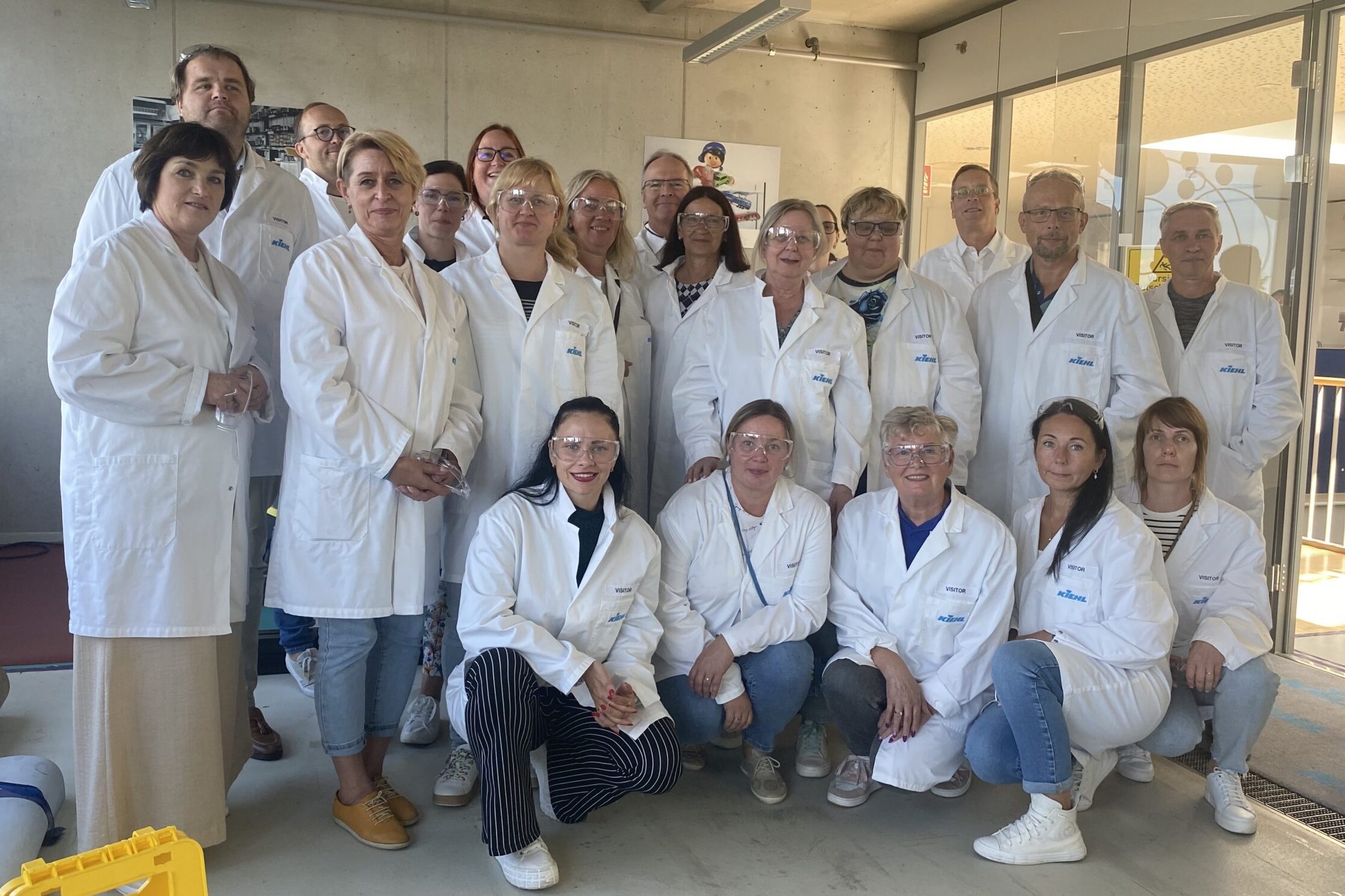
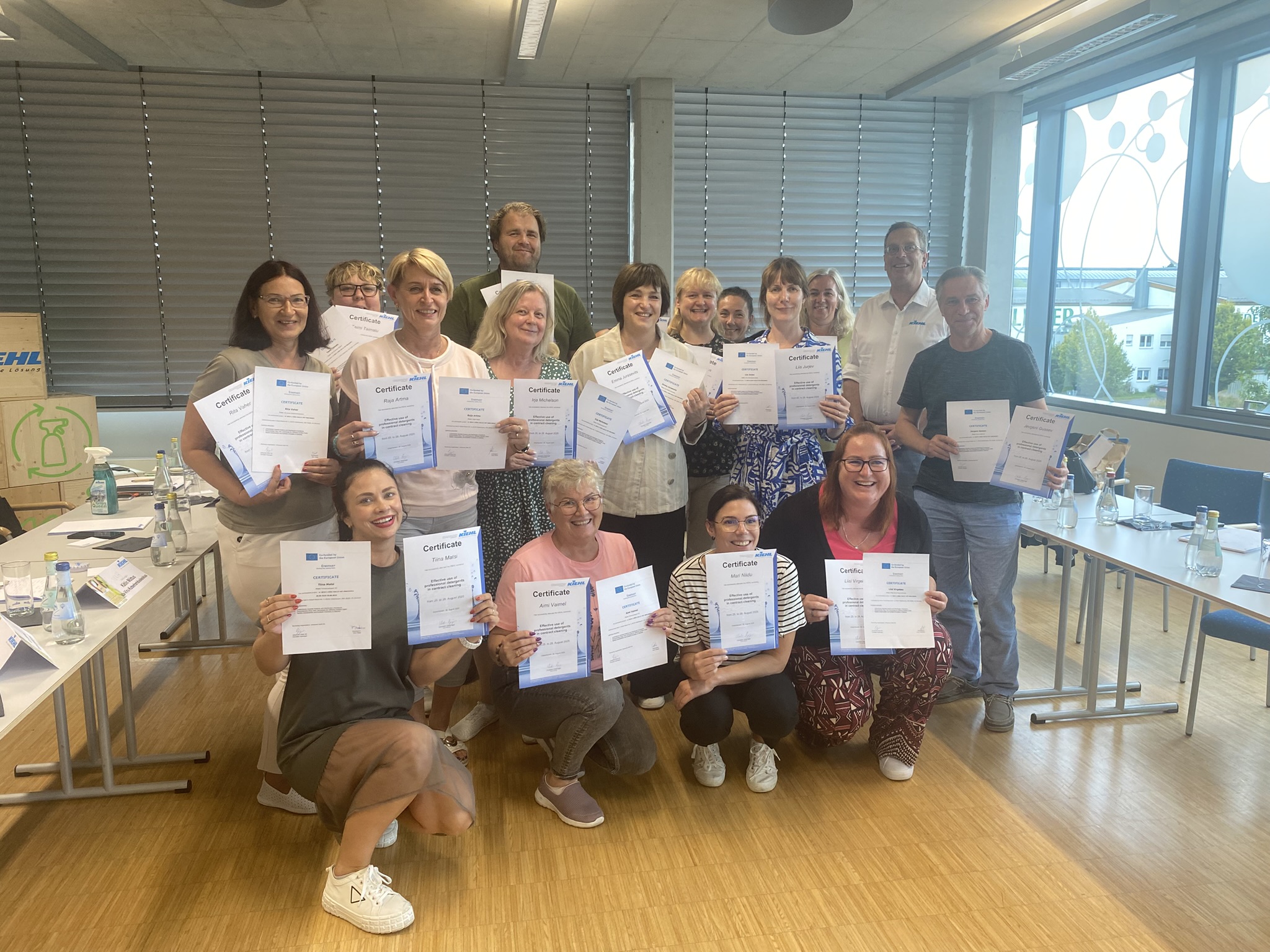
On 25-28 August 2025, Estonian cleaning service and healthcare specialists participated in a job shadowing programme in Odelzhausen, Germany, at the Johannes Kiehl KG training center. The learning mobility project took place within the framework of the Erasmus+ programme and offered participants valuable theoretical and practical training on cleaning, hygiene, and environmental sustainability.
As the learning mobility involved managers, teachers, and trainers related to education, the experience gained will directly impact the quality of vocational education and further training in Estonia.
The following organisations participated in the learning mobility: Tartu Vocational College, Ida-Viru Central Hospital Foundation, Sol Baltics Ltd., North Estonia Medical Centre Foundation, Arkaadia Puhastus Ltd., Valga Hospital Foundation, Elva Hospital Foundation, Pesuekspert Ltd., East Tallinn Central Hospital Plc., Narva Hospital Foundation, Tartu Health Care College, and Puhastusimport Ltd.
The learning mobility project took place within the framework of the Erasmus+ programme under contract number 2024-1-EE01-KA121-VET-000236654.
As the learning mobility involved managers, teachers, and trainers related to education, the experience gained will directly impact the quality of vocational education and further training in Estonia.
The following organisations participated in the learning mobility: Tartu Vocational College, Ida-Viru Central Hospital Foundation, Sol Baltics Ltd., North Estonia Medical Centre Foundation, Arkaadia Puhastus Ltd., Valga Hospital Foundation, Elva Hospital Foundation, Pesuekspert Ltd., East Tallinn Central Hospital Plc., Narva Hospital Foundation, Tartu Health Care College, and Puhastusimport Ltd.
The learning mobility project took place within the framework of the Erasmus+ programme under contract number 2024-1-EE01-KA121-VET-000236654.
During the job shadowing, various topics were addressed concerning current challenges in the cleaning sector:
Kitchen Hygiene and Material Specificities
Regarding kitchen hygiene, cleaning and disinfection requirements for the food sector were thoroughly discussed, as kitchens and catering areas are high-risk environments where incorrect cleaning processes can lead to cross-contamination and foodborne illnesses. Participants learned about the importance of pH values and the chemical composition of cleaning agents, explaining how acidic, alkaline, and neutral cleaning agents affect different surfaces and when one type of solution should be preferred over another.
An important topic was the compatibility of surface materials with cleaning agents – discussions focused on how to prevent damage to surfaces while ensuring a high level of hygiene. For example, it was highlighted that stainless steel, copper, porcelain, and microporous ceramics require different maintenance techniques and products to preserve their properties and durability. Special attention was paid to the selection of wear-resistant accessories and high-quality cleaning textiles, which are crucial for work efficiency, hygienic results, and employee safety.
Dishwasher maintenance was also discussed, which is critical from the perspective of food safety and hygiene requirements. Participants learned how to prevent limescale buildup, ensure the cleanliness of the machine’s internal surfaces, and use the correct maintenance products that extend the lifespan of equipment and maintain the quality of the washing process.
Kiehl’s product range was introduced, which includes several environmentally friendly and eco-labeled cleaning agents. These are suitable for various surfaces and for removing different types of dirt, while adhering to the principles of sustainable consumption.
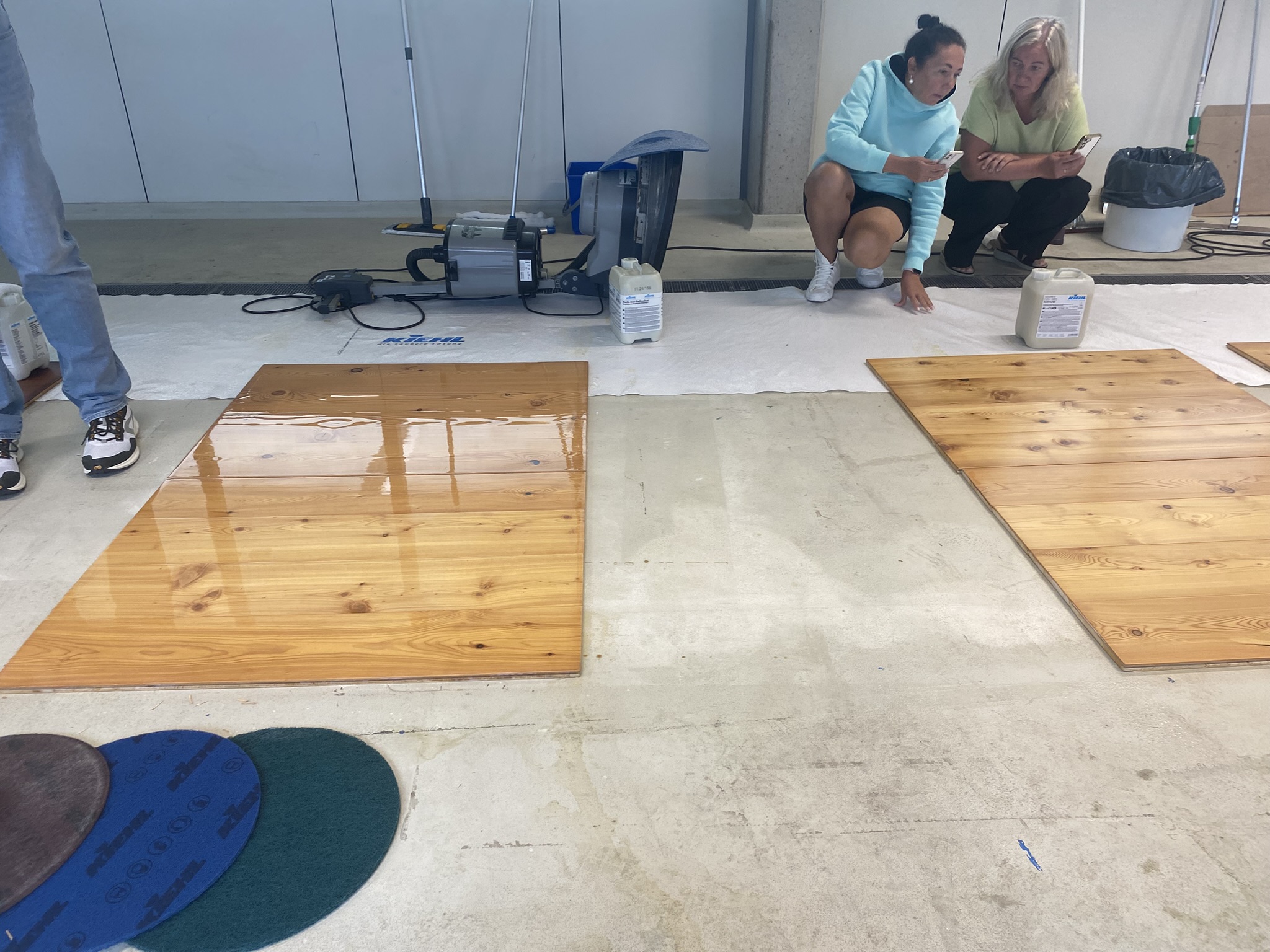
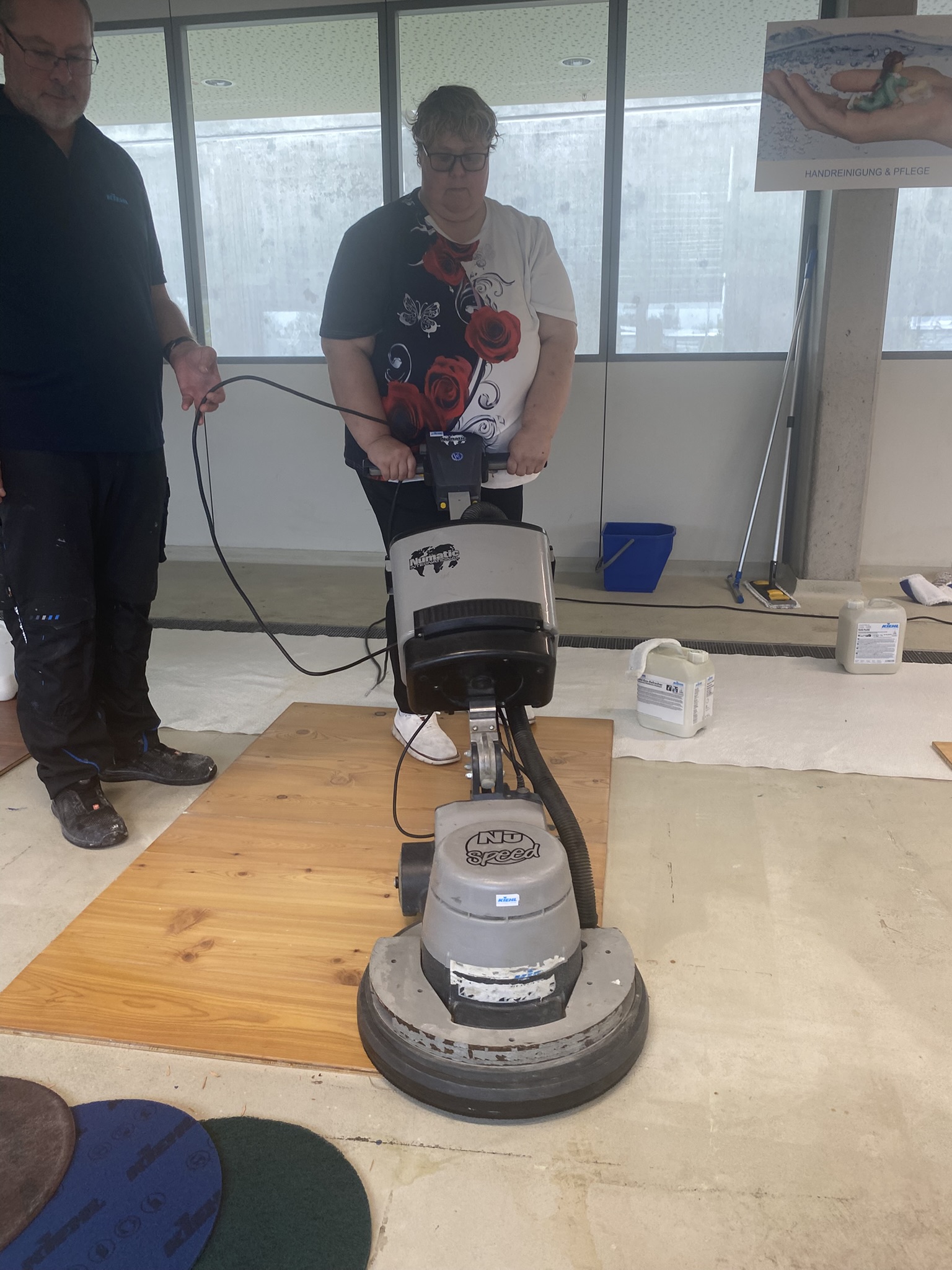
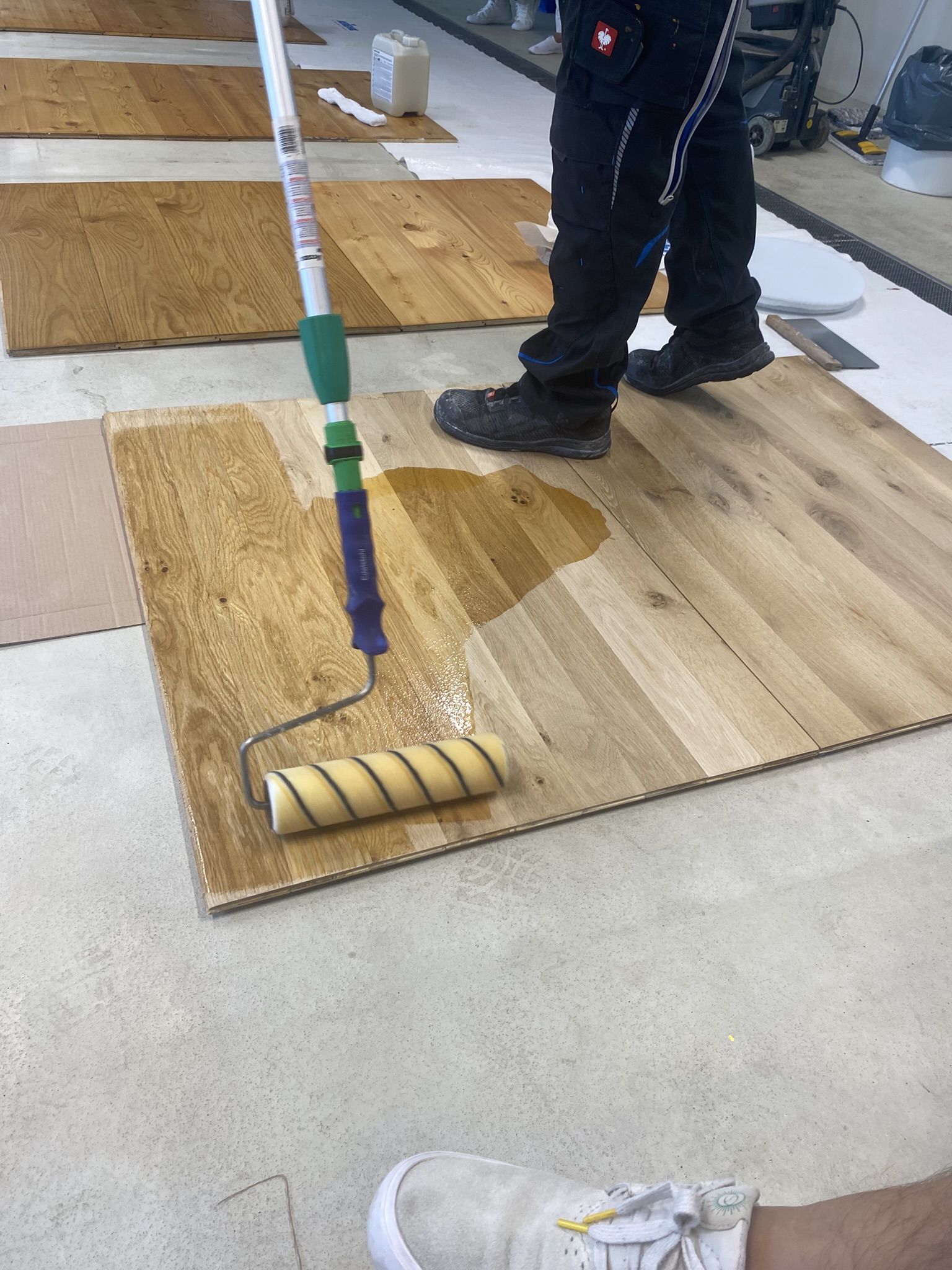
In the practical part, participants had the opportunity to try different techniques and evaluate how correct cleaning methods and agents affect work results.
An important topic was the compatibility of surface materials with cleaning agents – discussions focused on how to prevent damage to surfaces while ensuring a high level of hygiene. For example, it was highlighted that stainless steel, copper, porcelain, and microporous ceramics require different maintenance techniques and products to preserve their properties and durability. Special attention was paid to the selection of wear-resistant accessories and high-quality cleaning textiles, which are crucial for work efficiency, hygienic results, and employee safety.
Dishwasher maintenance was also discussed, which is critical from the perspective of food safety and hygiene requirements. Participants learned how to prevent limescale buildup, ensure the cleanliness of the machine’s internal surfaces, and use the correct maintenance products that extend the lifespan of equipment and maintain the quality of the washing process.
Kiehl’s product range was introduced, which includes several environmentally friendly and eco-labeled cleaning agents. These are suitable for various surfaces and for removing different types of dirt, while adhering to the principles of sustainable consumption.
In the practical part, participants had the opportunity to try different techniques and evaluate how correct cleaning methods and agents affect work results.
Hygiene and Infection Prevention
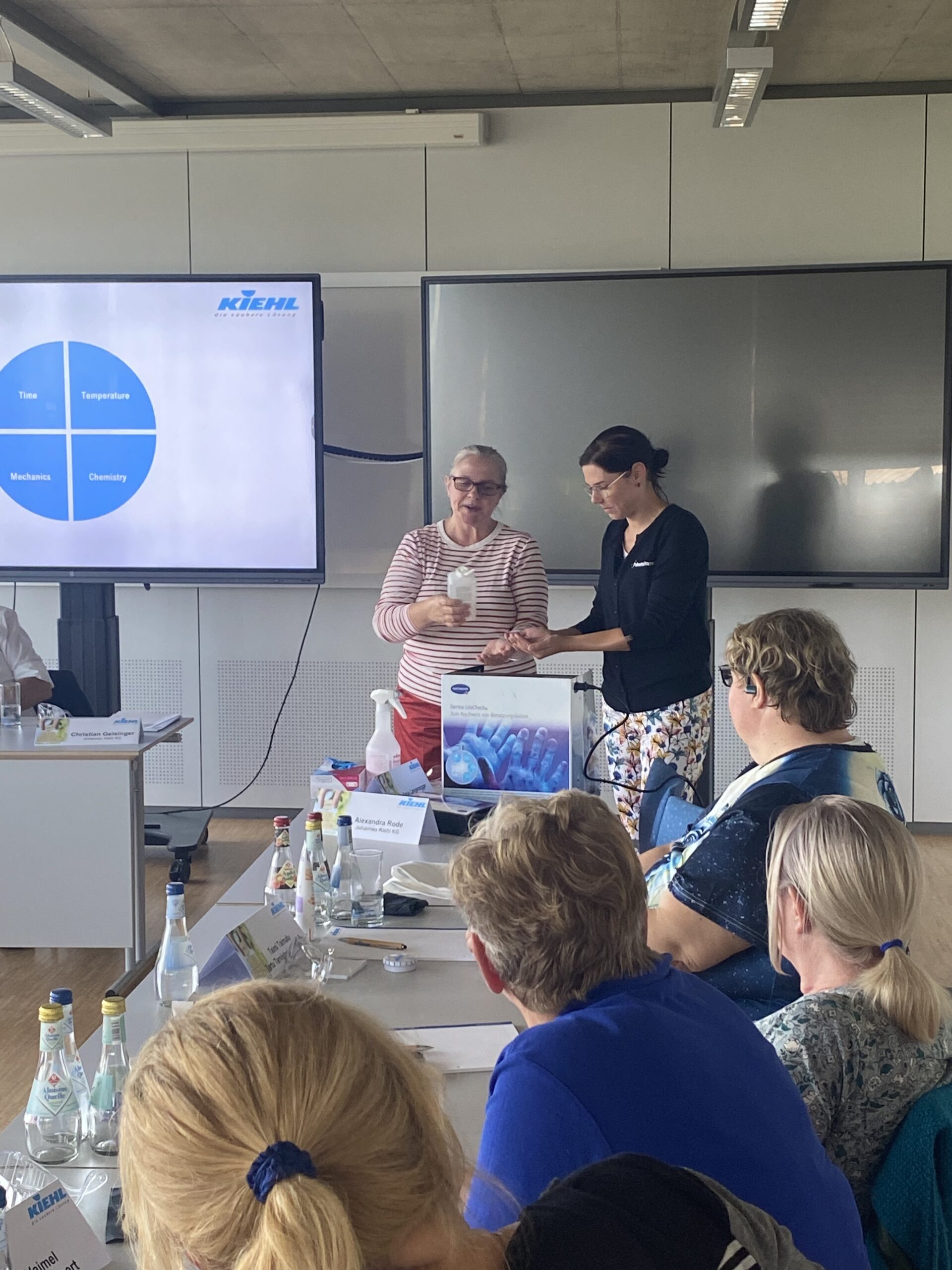
One topic of focus was hygiene and the prevention of infection, as these are extremely important areas in healthcare institutions and nursing homes. The nature of microorganisms, their development, and behavior under various conditions were discussed. Participants gained a comprehensive overview of infection transmission mechanisms and prevention measures, including the importance of timely cleaning and disinfection. Hospital-acquired infection prevention, one of the biggest challenges in healthcare, was specifically addressed. Key risk factors were discussed, and examples were provided of situations where minor errors in cleaning processes could lead to serious consequences.
Participants were taught to recognise the different stages of disinfection processes, and the importance of regular and systematic cleaning of surfaces was emphasised to break the chain of infection and reduce the spread of pathogens.
Furthermore, a comprehensive overview was provided of various pathogens, including viruses, bacteria, fungi, and their resistance to cleaning and disinfection agents.
In practical exercises, participants had the opportunity to try different disinfection and cleaning methods and compare their effectiveness. The exercises highlighted the significant role of correct work order, adherence to proper cleaning agent concentrations, and occupational safety principles. This helped to understand how to prevent the spread of infections and ensure a safe environment for both patients and staff.
Participants were taught to recognise the different stages of disinfection processes, and the importance of regular and systematic cleaning of surfaces was emphasised to break the chain of infection and reduce the spread of pathogens.
Furthermore, a comprehensive overview was provided of various pathogens, including viruses, bacteria, fungi, and their resistance to cleaning and disinfection agents.
In practical exercises, participants had the opportunity to try different disinfection and cleaning methods and compare their effectiveness. The exercises highlighted the significant role of correct work order, adherence to proper cleaning agent concentrations, and occupational safety principles. This helped to understand how to prevent the spread of infections and ensure a safe environment for both patients and staff.
Cleaning Technologies and Occupational Safety
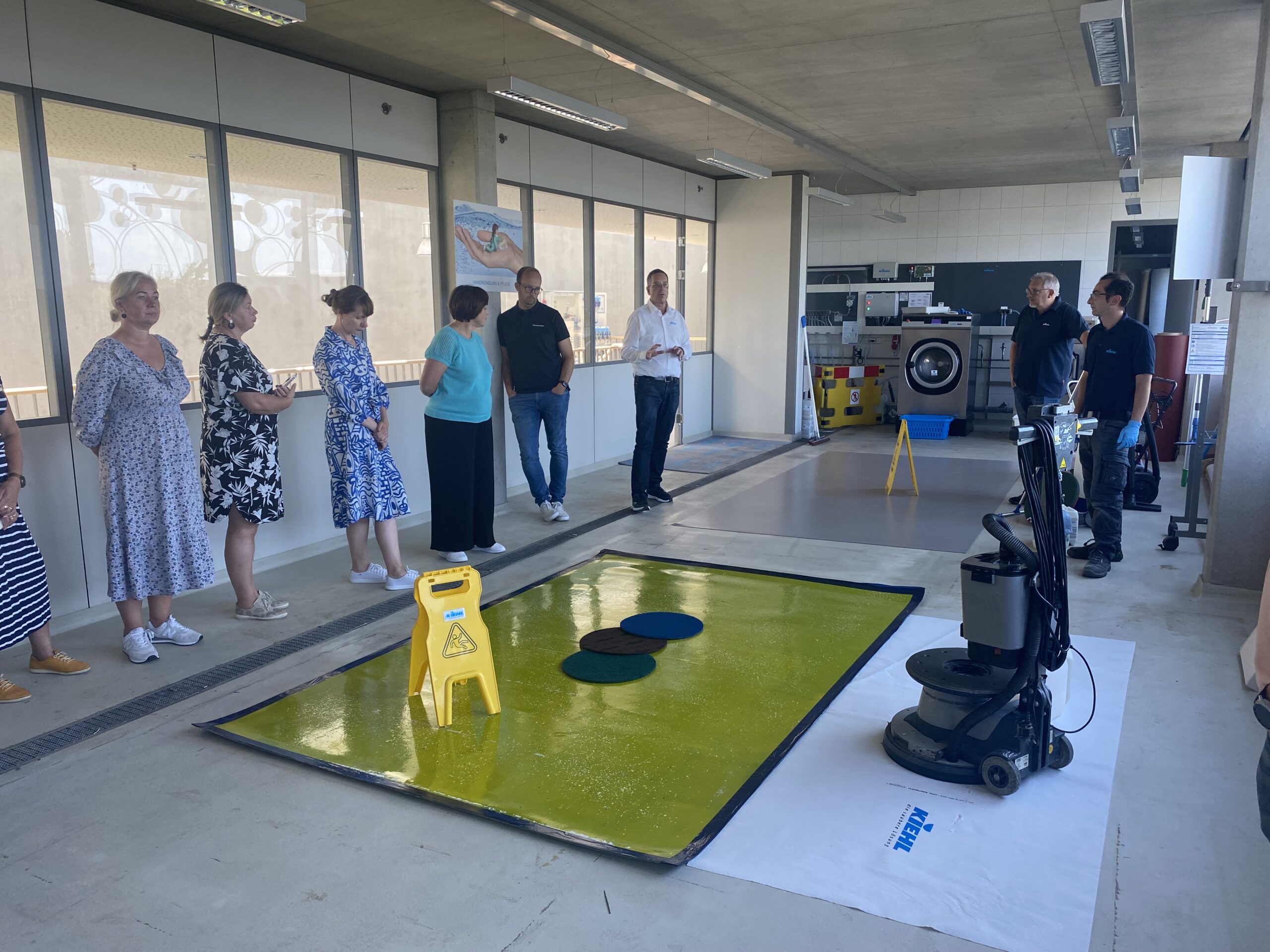
During the learning mobility, the application of Sinner’s Circle (time, temperature, mechanics, and chemistry) in various cleaning tasks was introduced. The correct dosing of cleaning agents and its impact on the environment and health were emphasised. In practical workshops, various cleaning methods were tested: wet cleaning, machine cleaning, and maintenance of carpets and stone surfaces. Participants had the opportunity to use specialised equipment and compare the results of different methods. The occupational safety module covered the use of personal protective equipment, the colour-coding system for cleaning textiles, and the maintenance of work tools. The responsibility of trainers and managers was also emphasised, as their example shapes the daily behaviour of learners and employees.
Artikli autor: Tiina Matsi