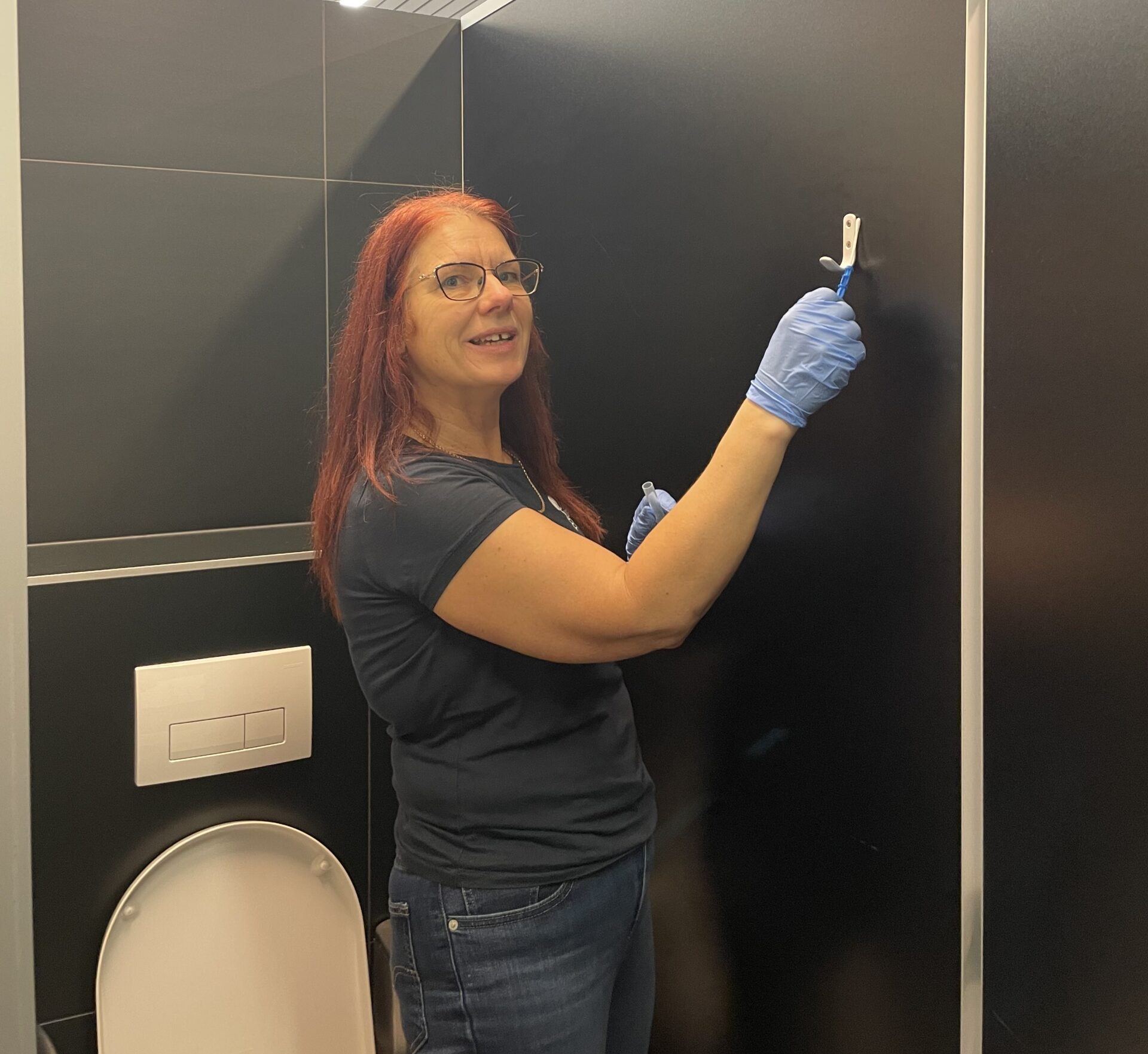
What makes a client decide that a toilet is dirty?
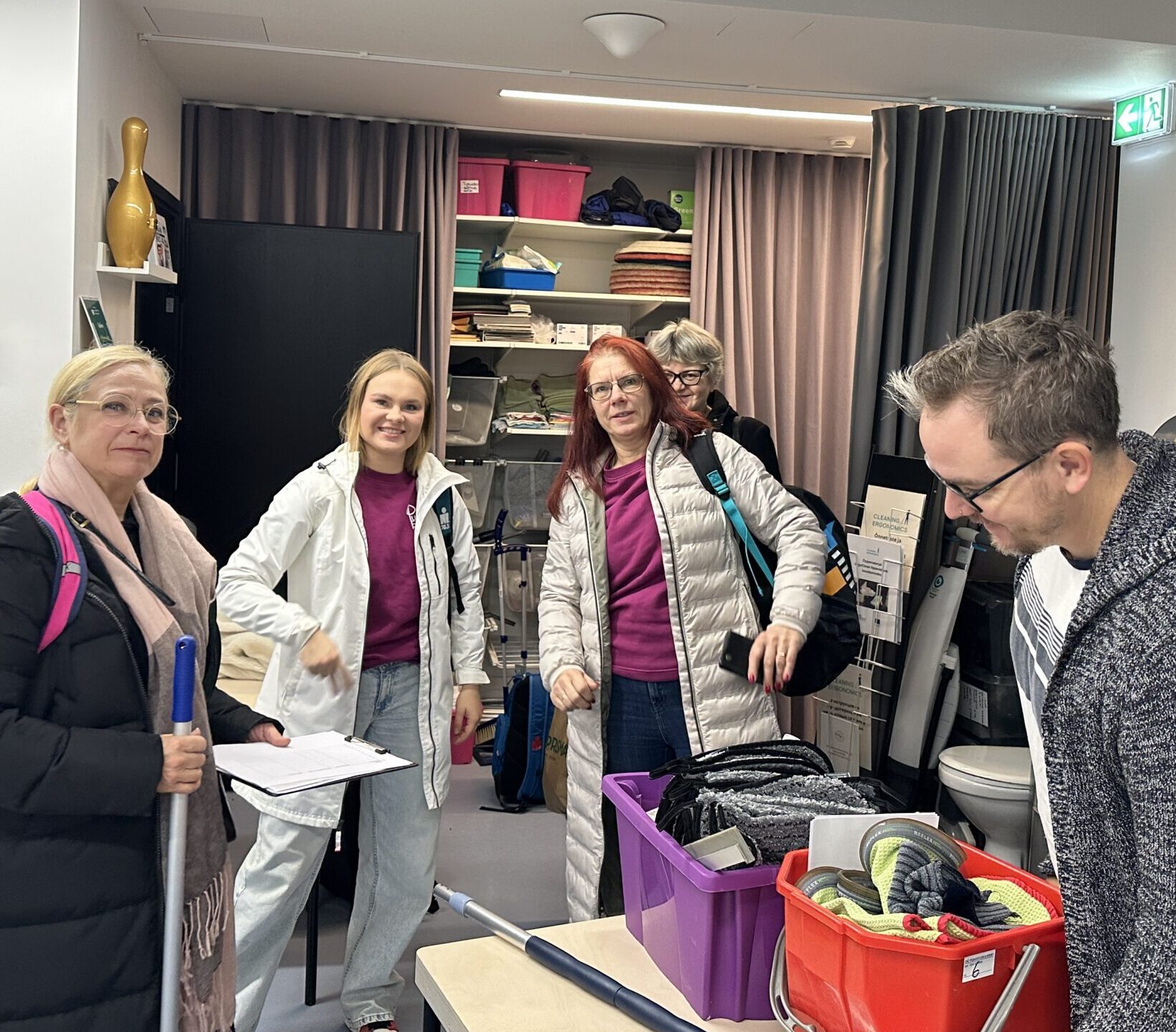
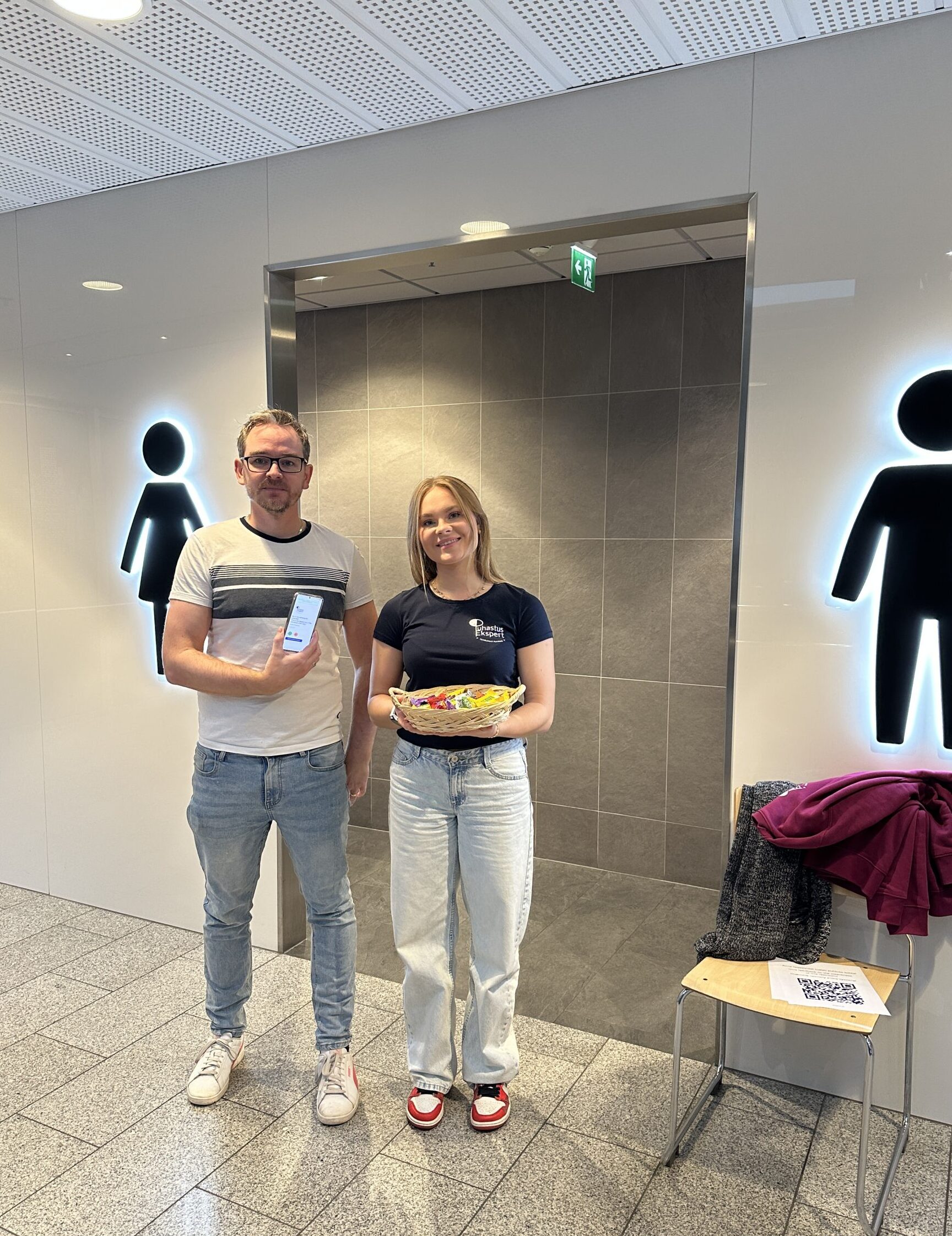
In early November, CleanMind Erasmus+ project partners met in Tallinn to conduct cleaning tests in public toilets. One of the project’s goals was to understand what makes people claim that a space needs cleaning, and we translated people’s opinions into INSTA800 quality standard numbers. Based on this information, it is possible to make changes in the cleaning process to utilise resources more efficiently based on need. To obtain initial information, we conducted pilot tests with project partners in Tallinn, with the ultimate goal of creating learning materials focused on implementing effective cleaning methods.
Does cleaning frequency always match the need?
Cleaning is usually done according to a schedule, as contracts will usually determine the frequence of cleaning. Cleaning frequency does not always match cleaning needs.
Our goal was to test:
Our goal was to test:
During the tests, we collected client feedback and regularly conducted quality assessments. Additionally, we used ATP measurements to investigate the amount of dirt, its presence, and the effectiveness of cleaning.
User feedback: when do users feel that a toilet needs cleaning?
At the start of the test, we made sure the toilet met INSTA Quality Level 4, meaning the room was visually clean. Cleaning tests in public toilets showed that users‘ perceptions of cleanliness remained positive for a surprisingly long time. Negative feelings only arise once very obvious problems occur.
Users most frequently said a toilet needed cleaning in the case of:
Users most frequently said a toilet needed cleaning in the case of:
A significant discovery was that naturally occurring dirt did not trigger negative reactions as quickly as we had expected. We also discovered that clients made an effort to maintain cleanliness in the toilets themselves, e.g. by picking up scraps of paper from the floor. Thanks to this, it took us longer to receive negative feedback than we had expected.
Translating people’s opinions into the INSTA standard language
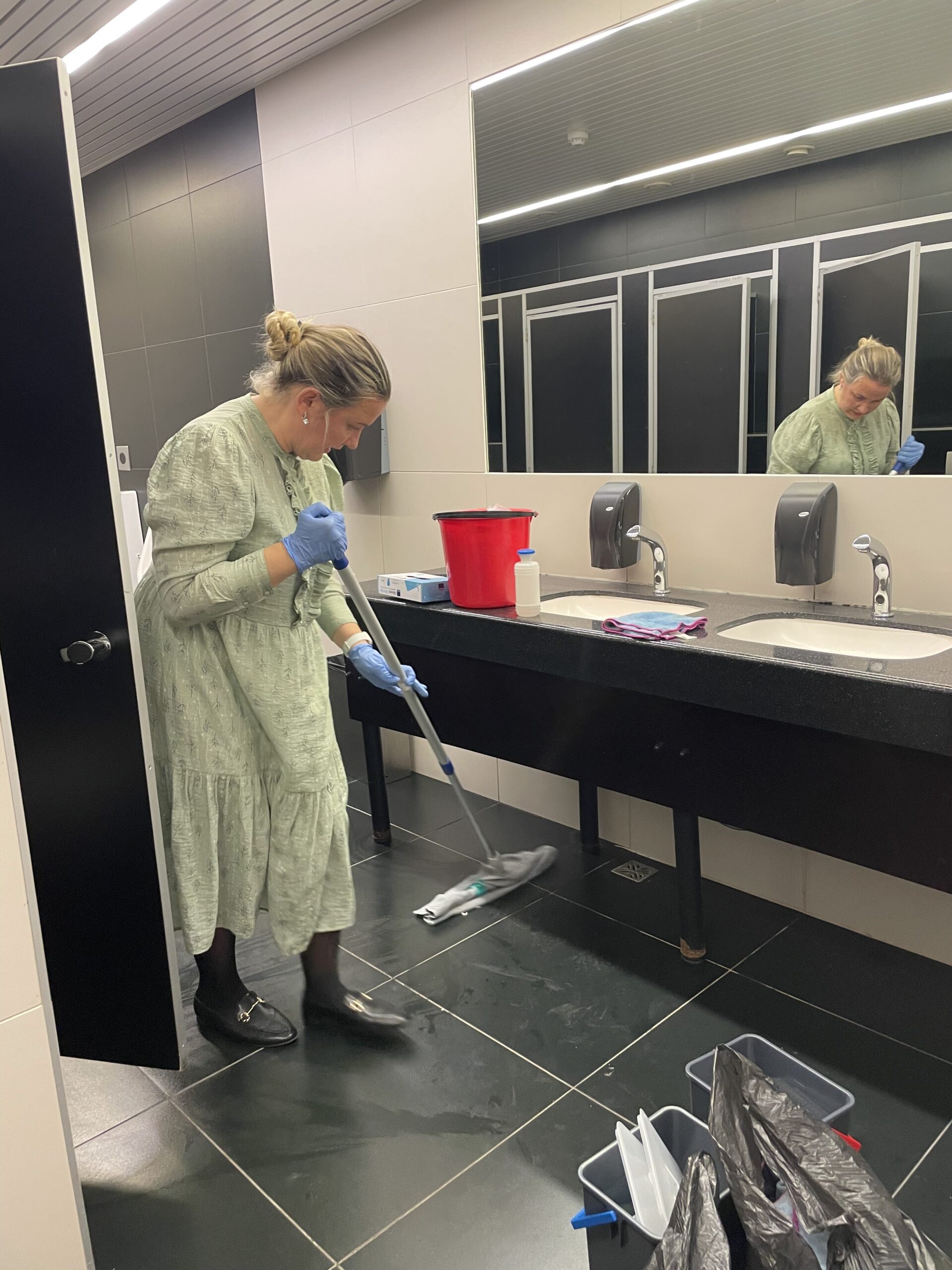
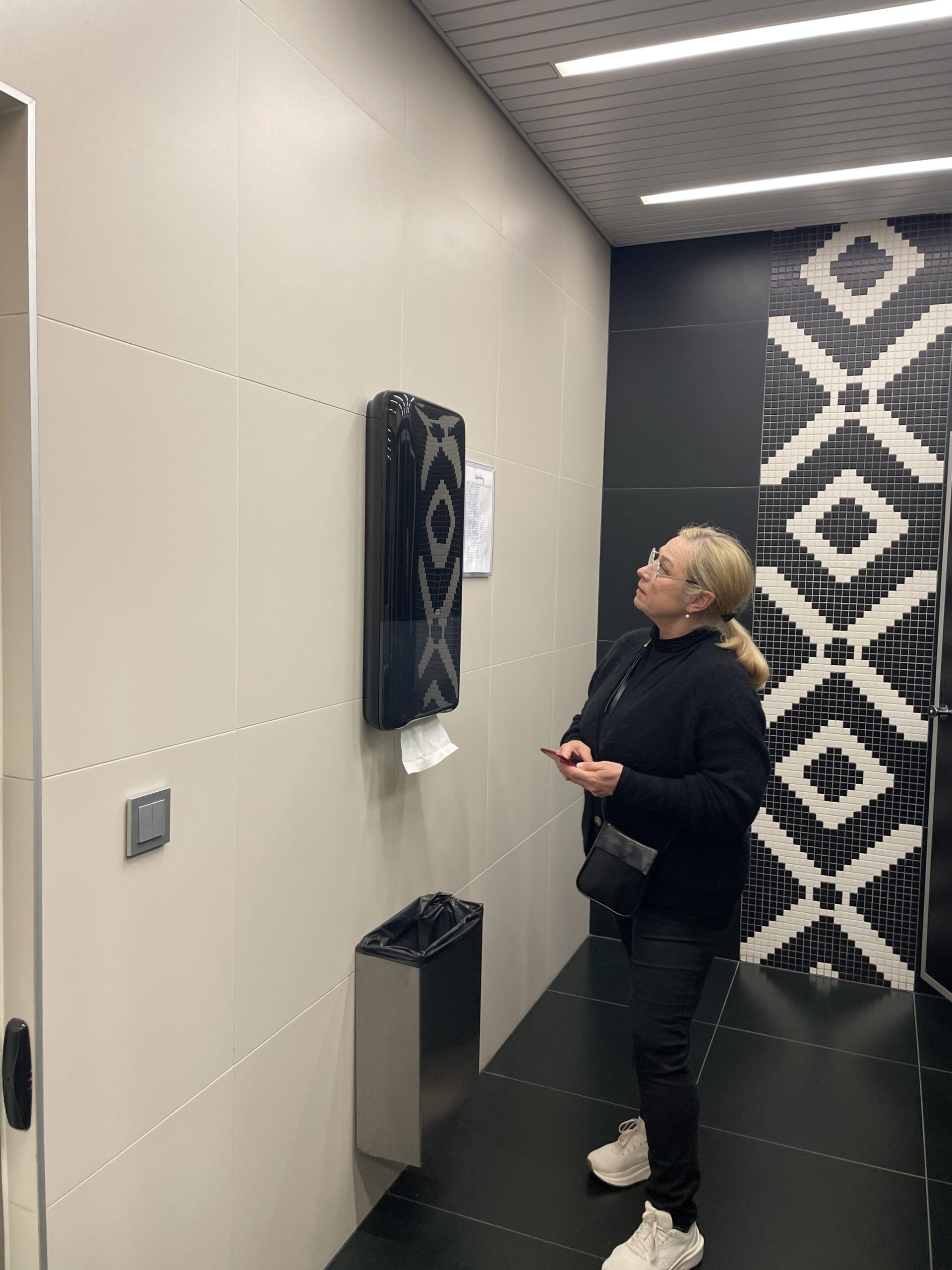
The cleaning tests lasted four hours, during which we collected feedback from users. In order to translate feedback into numbers, we performed regular quality assessments using the INSTA800 standard. We used the Optiqo app to collect feedback and statistics as well as to perform the quality assessments. Quality assessments were done every 30 minutes.
The regular assessments showed that:
The regular assessments showed that:
This raised an important question: if a room needs cleaning according to the INSTA assessment, but the users themselves don‘t notice it – who should we follow?
The tests showed that the main type of dirt was scraps of paper that collected on the floors. This occurred noticably faster in the women‘s toilet than in the men‘s one. At the same time, neither toilet gathered many new stains throughout the test. This data is valuable for designing future tests.
ATP tests
ATP tests showed us that visually clean surfaces are not necessarily actually clean.
From ATP tests we learnt that:
From ATP tests we learnt that:
This knowledge is necessary for helping us understand what surfaces are actually dirty and how to clean them using minimal resources.
Important lessons for future tests
The pilot test gave us valuable practical knowledge regarding data collection and understanding our clients.
Thanks to the initial tests, we can gather more detailed and comparable data in the next tests:
Thanks to the initial tests, we can gather more detailed and comparable data in the next tests:
The initial tests provided a clear overview of how users react to different kinds of dirt, what kinds of data are actually worth gathering and how to carry out future tests more effectively. In addition, the tests confirmed that toilets meeting INSTA Quality Level 4 standards remain clean according to user perception for a long time. Most importantly, the pilot tests showed the potential of result-oriented and needs-based cleaning. Thanks to this, we can focus on gathering more detailed measurements in future tests.
Author: Maria Liis Alt