Free webinar about results-based cleaning (18:00-19:00 CEST)

How can we improve cleaning quality with the same resources?
Join this FREE webinar to discover unique, evidence-based insights from the Erasmus + CleanMind project. Drawing on scientific research, real-life cleanliness measurements, and practical testing in schools, offices, and hospitals across three countries, we will share findings, tools, and resources that can help you achieve better cleaning results with the same resources.
What is Results-Based Cleaning?
Results-Based Cleaning focuses on achieving the desired level of cleanliness rather than simply following fixed cleaning routines.
Instead of treating every space the same, cleaning activities are prioritised based on actual needs, risk levels and measurable results.
The aim is simple: deliver better cleaning outcomes while making smarter use of existing resources.
The goal is simple:
Instead of treating every space the same, cleaning activities are prioritised based on actual needs, risk levels and measurable results.
The aim is simple: deliver better cleaning outcomes while making smarter use of existing resources.
The goal is simple:
What you’ll learn from the webinar?
Webinar programme:
Webinar programme:
1. Why was the CleanMind project created? HELGE ALT (Estonia)
Why we are working 2 years to develop tools for mindset change in cleaning? Why this change is critically important?
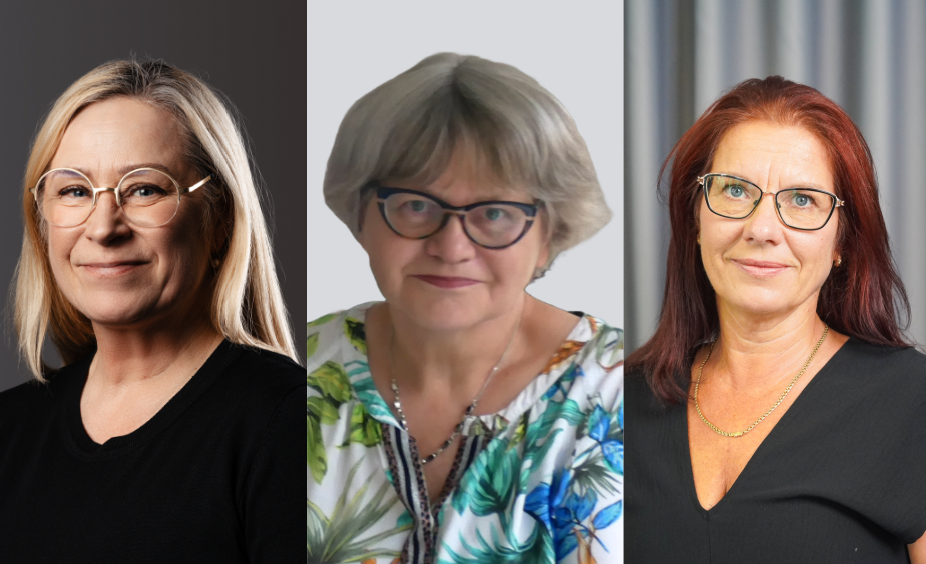
2. Why Results-Based Cleaning matters? HELGE ALT (Estonia), TARJA VALKOSALO (Finland), KARIN PERLING (Sweden)
Discover what Results-Based Cleaning really means, why defining it is challenging, and how it helps organisations use their resources more effectively.
3. Which surfaces are really the dirtiest? TARJA VALKOSALO (Finland)
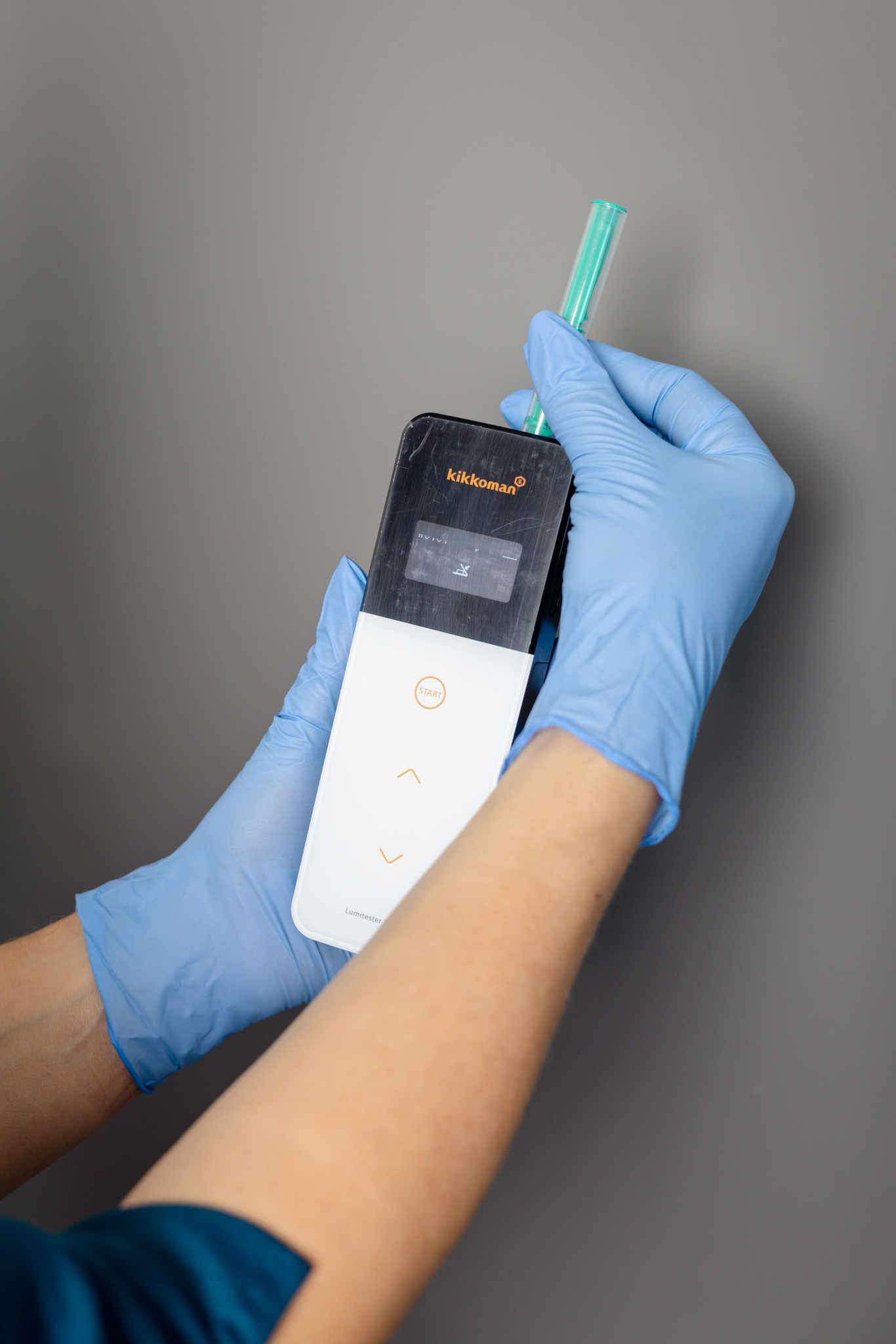
We analysed scientific studies and conducted cleanliness measurements in schools, offices, and hospitals in 3 countries. The results reveal clear patterns—and some surprisingly consistent problem areas.
4. What do cleanliness measurements reveal? KARIN PERLING (Sweden)
Numbers tell a story. You cannot improve what you do not measure. Discover how organic contamination measurements, cleanliness assessments help organisations achieve better cleaning results with the same resources.
5. Practical tools for changing the cleaning mindset HELGE ALT (Estonia)
Explore the CleanMind materials developed so far including five educational videos, reports. We will also present upcoming resources that will be published during the project.
1. Why was the CleanMind project created? HELGE ALT (Estonia)
Why we are working 2 years to develop tools for mindset change in cleaning? Why this change is critically important?
2. Why Results-Based Cleaning matters? HELGE ALT (Estonia), TARJA VALKOSALO (Finland), KARIN PERLING (Sweden)
Discover what Results-Based Cleaning really means, why defining it is challenging, and how it helps organisations use their resources more effectively.
3. Which surfaces are really the dirtiest? TARJA VALKOSALO (Finland)
We analysed scientific studies and conducted cleanliness measurements in schools, offices, and hospitals in 3 countries. The results reveal clear patterns—and some surprisingly consistent problem areas.
4. What do cleanliness measurements reveal? KARIN PERLING (Sweden)
Numbers tell a story. You cannot improve what you do not measure. Discover how organic contamination measurements, cleanliness assessments help organisations achieve better cleaning results with the same resources.
5. Practical tools for changing the cleaning mindset HELGE ALT (Estonia)
Explore the CleanMind materials developed so far including five educational videos, reports. We will also present upcoming resources that will be published during the project.
Practical Information